
Regulation
SIGNAL▐Posture
SIGNAL
Regulation
▐Posture
South Africa to include crypto in exchange control framework
According to Finance Minister Godongwana, says to be published soon

Regulatory frameworks, compliance regimes and government policy shaping digital finance across Africa.
According to Finance Minister Godongwana, says to be published soon
The Bank of Ghana and SEC have jointly directed virtual asset service providers to cease mass marketing and remove billboards, days after admitting six entities into a regulatory sandbox.


Plus: 🇬🇭 Ghana brings crypto into its regulatory perimeter with a new VASP law; 🇿🇦 South Africa’s central bank says CBDCs matter — just not right now
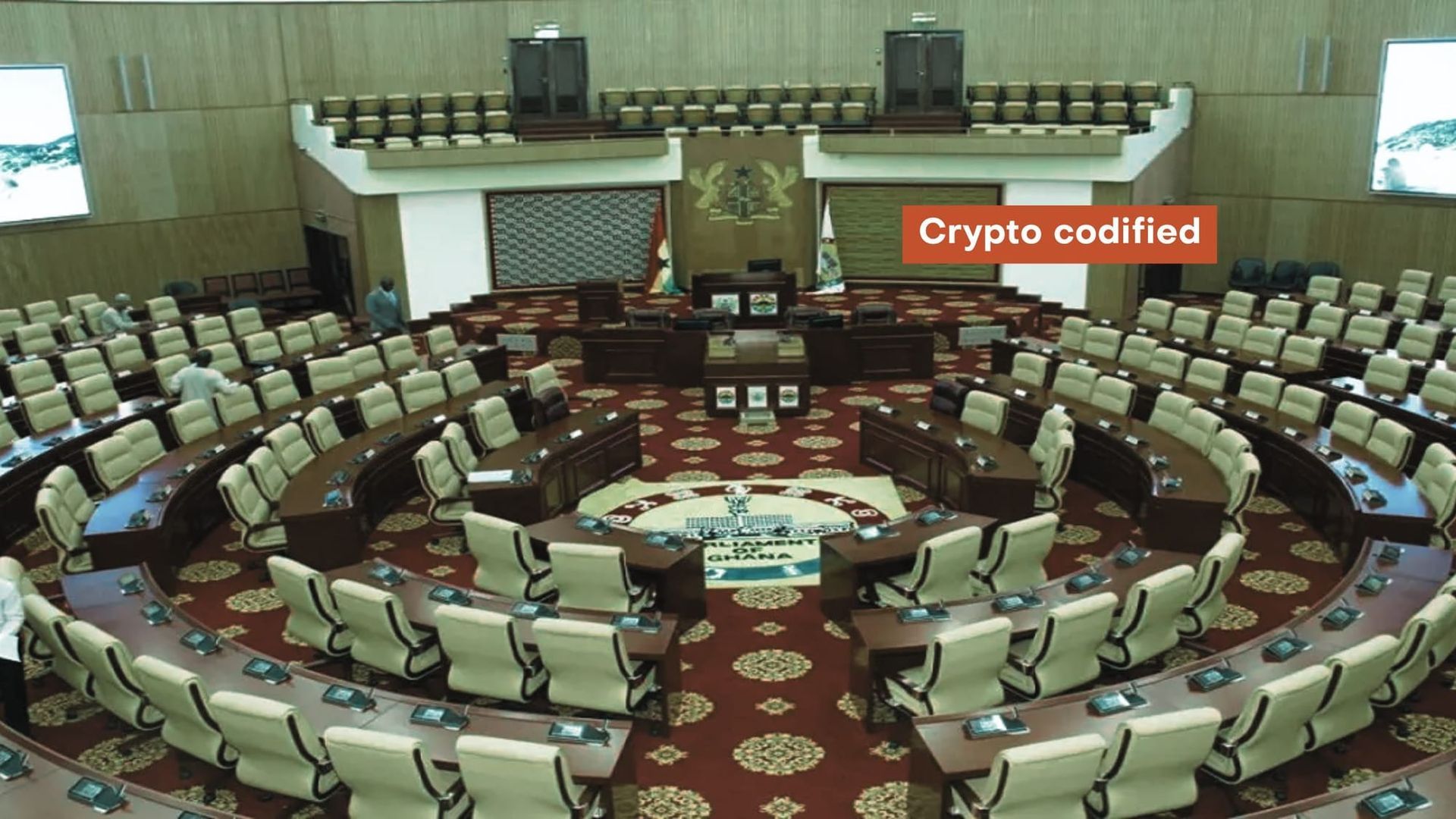
Parliament’s approval of the Virtual Asset Service Providers Bill gives regulators authority over crypto activities, ending years of policy ambiguity.

The international lender of last resort says stablecoin issuance has grown to $300 billion in 2025, but increased adoption poses financial risks if left unchecked.
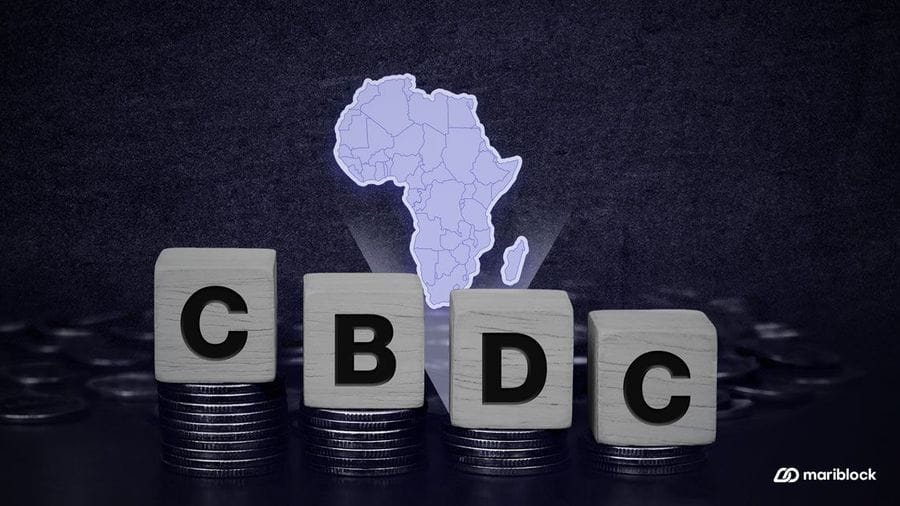
The bank sees no need to deploy a retail CBDC anytime soon, but it will explore wholesale options.
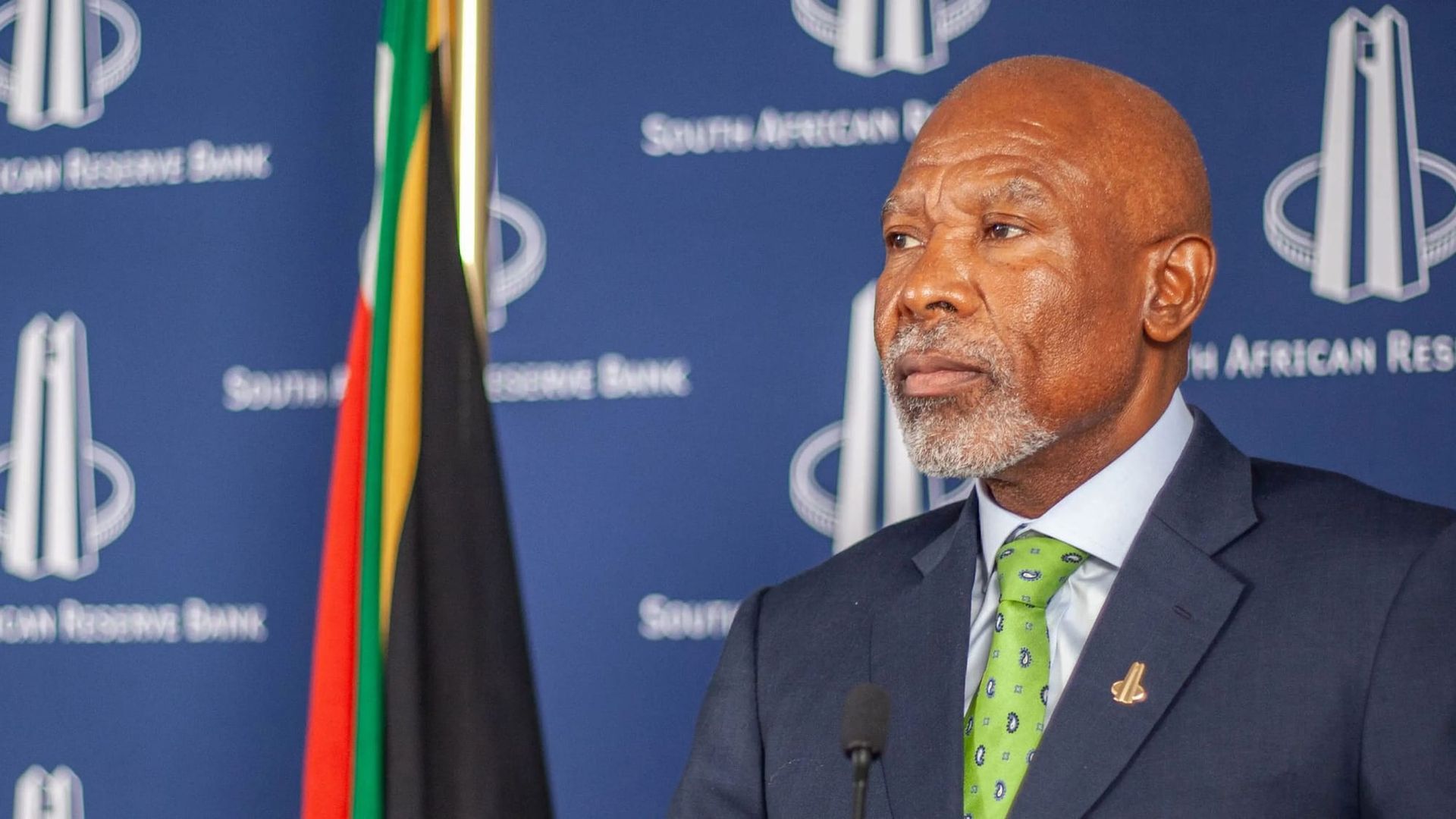
Adoption is on the rise, but with increased adoption comes financial stability risks that the bank is now looking to counteract.
Plus: 🇬🇭 Ghana to deploy blockchain to track gold and curb illegal mining; 🇲🇦 Morocco publishes draft crypto rules.

SARB said the absence of a complete regulatory framework for crypto assets and stablecoins remains a key vulnerability in South Africa’s financial system.

The new rules establish a licensing regime for VASPs and bring them under the purview of BAM and AMMC

Plus: 🇿🇦 USD stablecoins can undermine African monetary sovereignty — SARB Governor
Lesetja Kganyago says he is unconvinced by the supposed stability of USD-pegged stablecoins and believes their backing can be called into question
Plus: 🇳🇬 Nigerians prefer crypto investments and gambling to the capital market — SEC DG
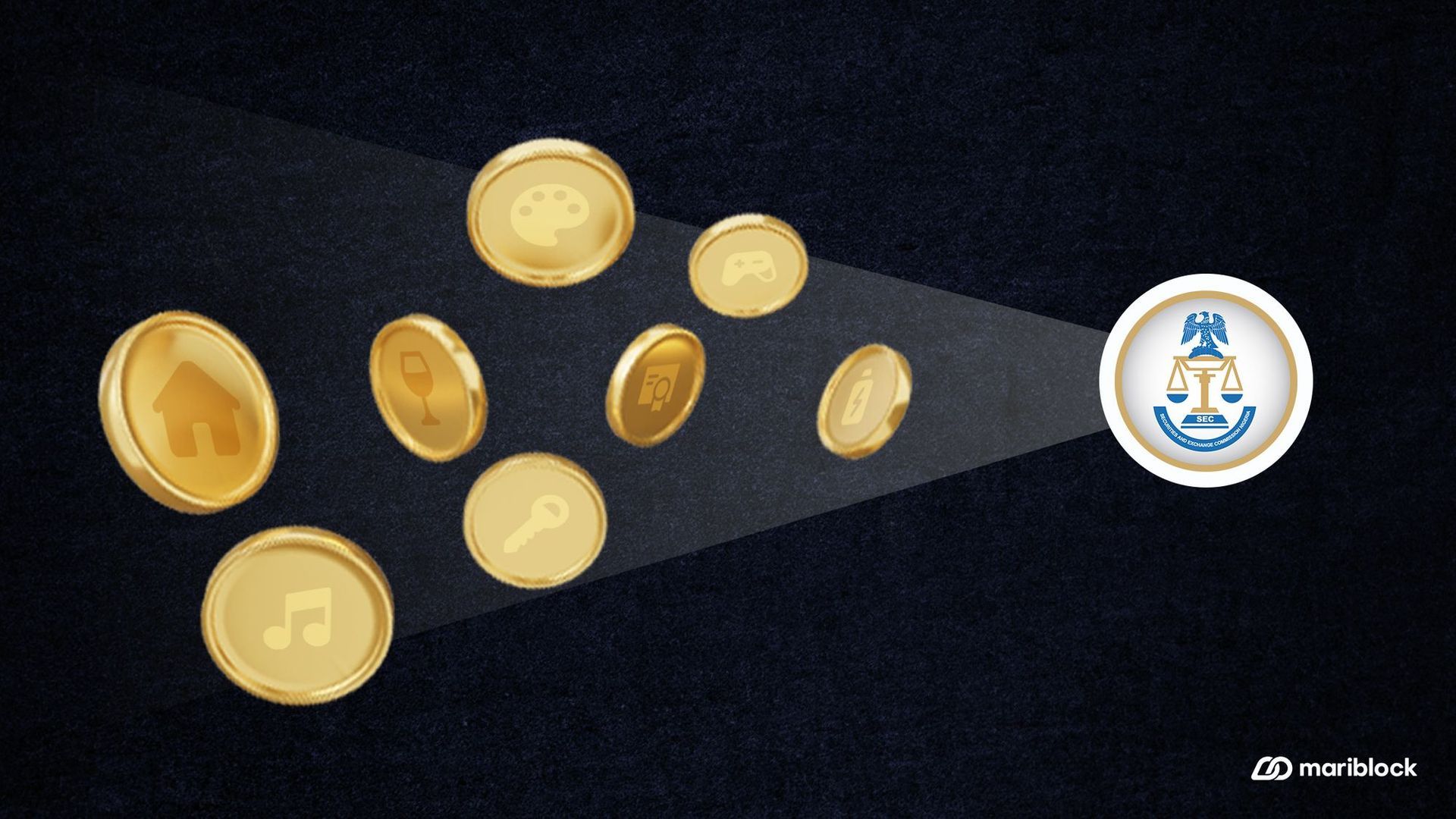
Emomotimi Agama said the country is missing out on substantial investments because Nigerians avoid investing in the Nigerian capital market.
Plus: 🌍 Nigeria, South Africa and two other African countries exit FATF’s grey list 🇿🇦 Ripple to provide digital assets custody services for Absa’s users 🇰🇪 Kenya edges toward crypto regulation as parliament passes VASP bill
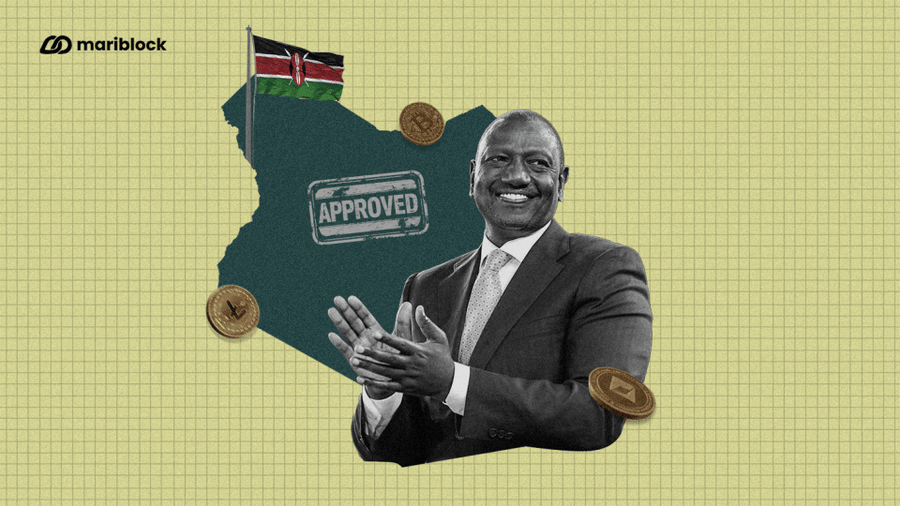
Stakeholders are saying the Act is a step in the right direction, as it provides legal backing to an ecosystem long in the shadows.
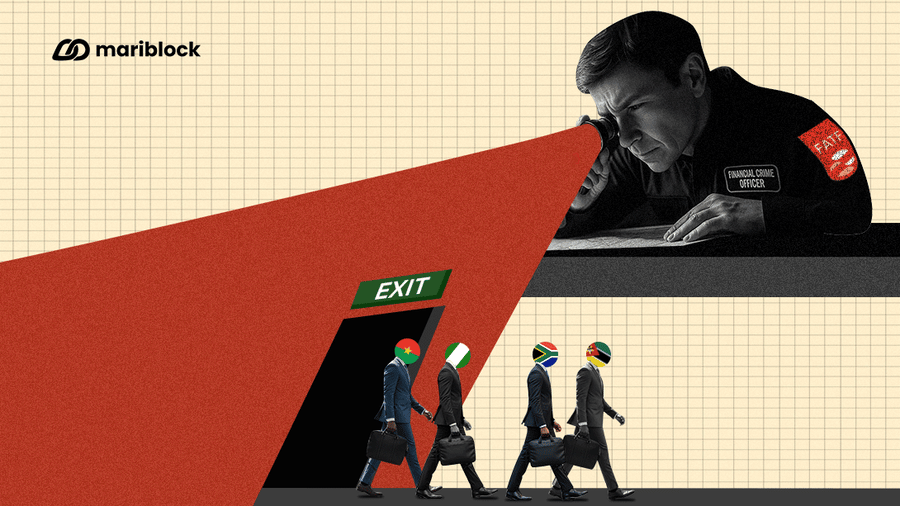
According the IMF, these countries have lost significant sums of money as a result of being grey listed by the FATF
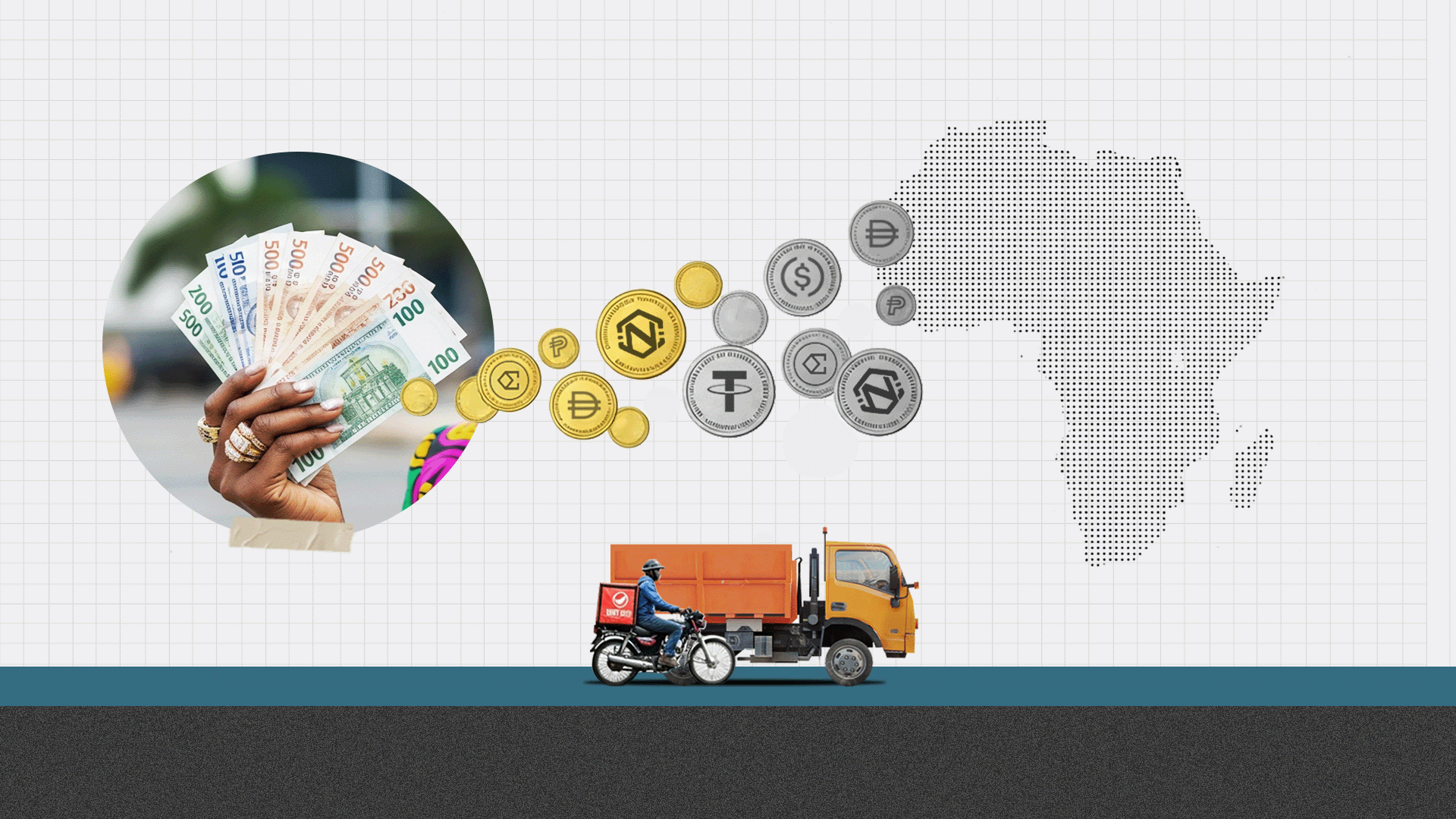
Ayotunde Alabi highlights how adopting stablecoins and tokenized assets can help Africa build a modern financial system that drives trade and economic growth.

Despite these impressive figures, there is a huge policy vacuum sitting between potential and scale.
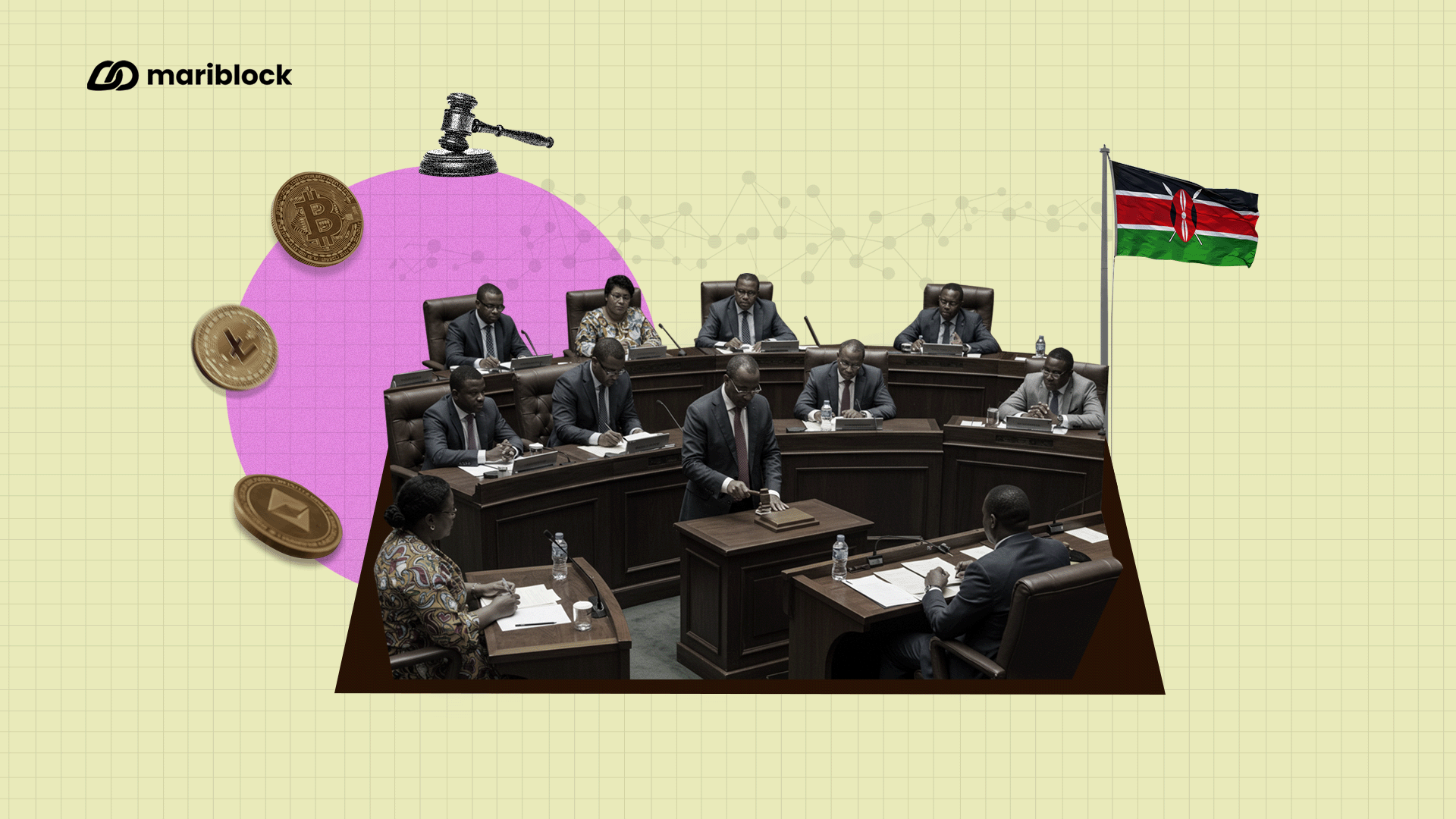
The bill has scrapped the creation of a new agency, VARA, and has instead placed VASPs under the CMA and CBK’s regulatory oversight.


