Sam Altman’s World launches a finance app as it seeks new ways to grow World ID
World Money is available in more than 150 countries, but access to its full features remains limited by geography and World ID verification.


Stablecoin — coverage and analysis.
World Money is available in more than 150 countries, but access to its full features remains limited by geography and World ID verification.


The naira stablecoin now has DEX pools on two networks in a month. The Orca pool arrived days after GetEquity began issuing tokens for the Dangote Refinery IPO on Solana and Base, with subscriptions settled in cNGN.


Sui, the layer-one blockchain protocol, is shifting its African strategy from developer acquisition and community growth to payment infrastructure. Months after Sui partnered with one of Africa's pioneer fintechs Paga as its primary blockchain infrastructure provider, the protocol has now been integrated by Daya. Daya will use Sui as settlement infrastructure to support its offerings around cross-border payments, treasury management and low-cost stablecoin transfers.
Previously, Sui had doubled down on acquiring developers in Nigeria, Ghana, South Africa and Kenya. Its African activities focused mainly on developer events, talent acquisition, training and community growth. Now, in keeping with the broader market direction, the protocol has dived into partnerships that help it provide payment infrastructure for businesses.
Daya integrated Tempo last month and Aptos in June, adding another chain to its existing rail for moving stablecoins, and it is seeing some traction. In August, its Pro feature for OTC desks, P2P traders and other crypto professionals processed $6.2m, up from $600,000 in March.

Almost 26,000 tokens have been bought across both chains, mostly by buyers outside Nigeria

CATASTROPHE fears that the rules will put local businesses at a global disadvantage and force crypto activity underground
Anchorage Digital, the first federally chartered crypto bank in the U.S., may be preparing to enter Africa. Since June, the company has been advertising for an Africa regional lead for stablecoin solutions, based in South Africa. The role is to sell stablecoin issuance and banking solutions to African banks and enterprises, covering FX settlement, treasury operations and correspondent banking.
This week, a professional who has led growth in Africa at Binance, Bybit, Bitget and Coinbase said on LinkedIn that he had joined Anchorage to scale stablecoin correspondent banking across the continent. The product gives foreign banks a U.S.-regulated account to send and receive dollars as stablecoins, settling in minutes rather than days and without the pre-funded accounts correspondent banking normally requires. He told Mariblock he did not apply for the advertised role and does not know whether it is the same position.
Anchorage has no offices in Africa and has made no announcements.
Users can trade cNGN against USDT on a decentralized exchange, expanding access to the naira stablecoin


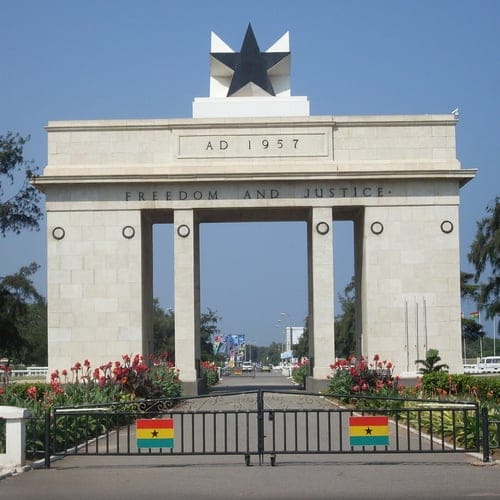
Ghana wants regulatory efforts among participating agencies to be harmonized centrally rather than in silos


Stablecoin wallet provider Blockradar has hit $1 billion in transaction volume, two years after launch. It now supports 100s of fintechs across 20 countries.
The milestone underscores the infrastructure quietly powering Africa’s stablecoin boom.
Last year at ETHSafari in Kilifi, Kenya, I spoke to two founders building a payments startup. One told me his team had two engineers, neither a blockchain specialist. Integrating Celo took about two months.
Then they switched to Blockradar.
“It’s like a normal API. They built it like a normal API. It doesn’t feel blockchain at all,” he told me.
Companies putting stablecoins into financial products eventually face the complexity of multiple blockchains. Blockradar abstracts that complexity into familiar API calls, turning months of integration work into hours or days.
Its Daya Pro liquidity product processed $6.2 million in August, up from $600,000 in March, according to Afriflux.
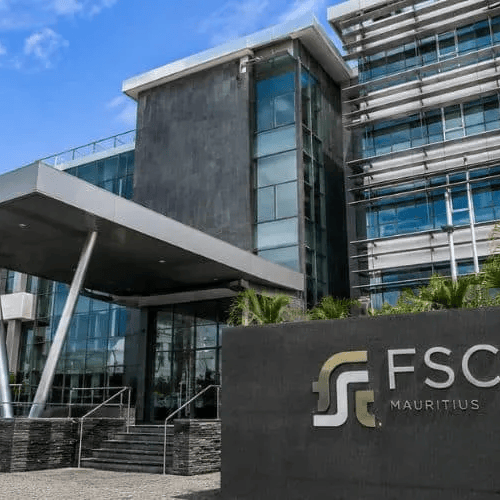
Stablecoin issuers are now required to obtain relevant licenses and approvals from the FSC and the BOM


Tether and Circle have something to worry about in Open USD. A new stablecoin consortium backed by more than 140 companies, including Visa, Mastercard, Stripe and PayPal, is aiming to challenge the Tether-Circle duopoly. Its key differentiator is that participating institutions will share in the token’s revenue.
As with most ambitious industry initiatives, the announcement has divided opinion. Among the sceptics is the director of digital assets research at Ark Invest, who argues that a network of competitors will struggle to move quickly enough to compete with vertically integrated issuers.
But history adds more texture to the picture once you zoom into the motivations of successful for-profit consortia. Coordination tends to be easier when the goal is to break entrenched market power.
The Open Handset Alliance brought together competing technology firms to build Android to challenge the Apple-BlackBerry smartphone duopoly. Airbus began as a European consortium designed to counter American dominance in commercial aviation. The same story applies to Star Alliance and SEMATECH in the semiconductor industry.
As stablecoin adoption grows, many of the institutions entering the space are unwilling to rely on, and thereby further entrench, the existing Tether-Circle duopoly. That incentive outweighs the coordination challenge if stablecoins are here to stay.

Among other provisions, the SEC is reserving the right to determine the stablecoins that can be legally traded in Nigeria
Six of the 10 admitted startups in the new cohort target African markets across payments, wallets, treasury, trade finance and stablecoins.


The international lender of last resort says stablecoin issuance has grown to $300 billion in 2025, but increased adoption poses financial risks if left unchecked.
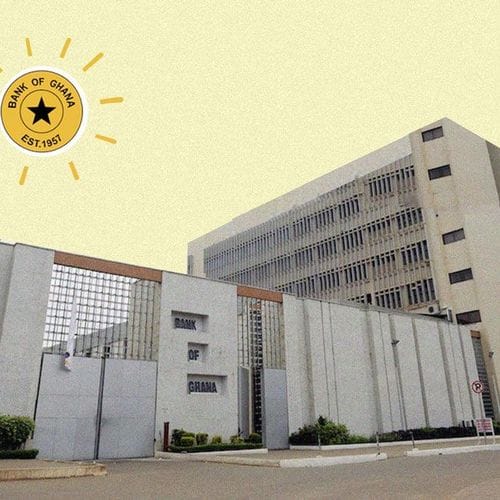
The Bank of Ghana and SEC have jointly directed virtual asset service providers to cease mass marketing and remove billboards, days after admitting six entities into a regulatory sandbox.


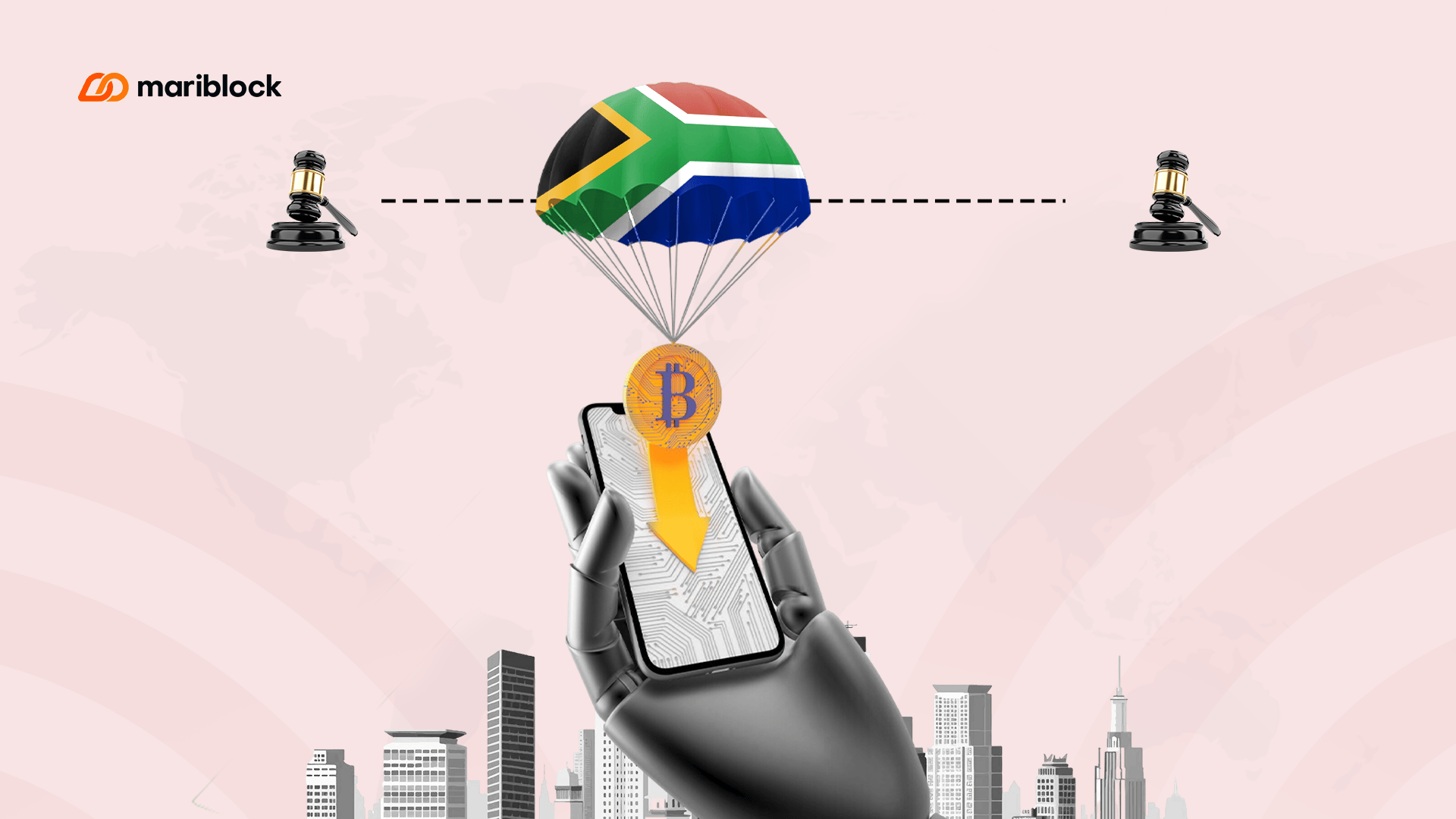
SARB said the absence of a complete regulatory framework for crypto assets and stablecoins remains a key vulnerability in South Africa’s financial system.

ADAPT, built in partnership with IOTA and the Tony Blair Institute for Global Change, will allow users to settle trades in local currencies and stablecoins.

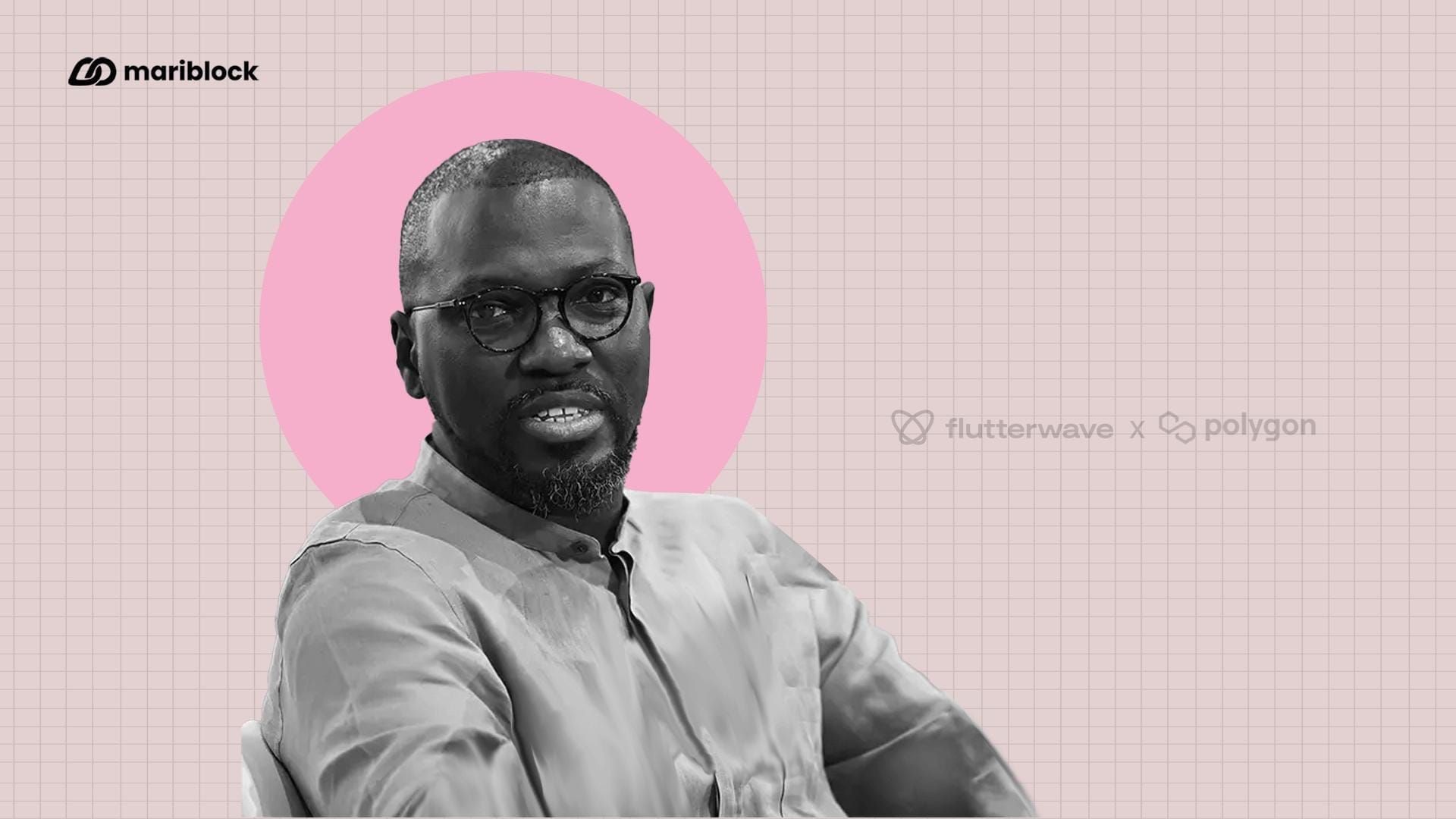
Plus: 🌍 Here’s why Flutterwave is enabling stablecoin payments via Polygon

Olugbenga Agboola said rising demand from clients and suppliers already using stablecoins pushed Flutterwave to build payment flows that match how people are transacting today.