
Mauritius tightens stablecoin rules as global regulatory pressure builds
C&S Secretarial Services

The Signal
Mauritius is no stranger to crypto regulation, but rising stablecoin use is pushing the country to address the asset class more directly. Higher capital requirements raise the bar for issuers, while stronger reserve and disclosure rules offer greater protection for users.
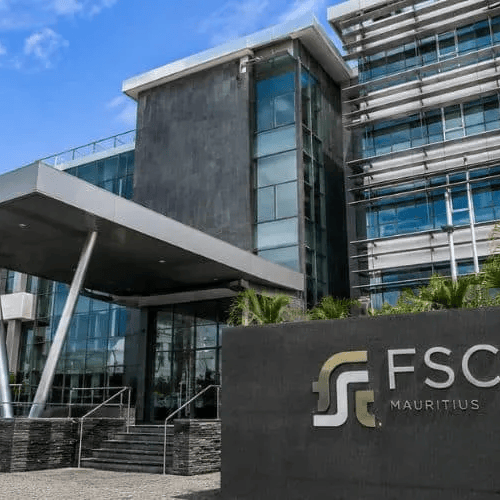
Mauritius has issued guidance governing the issuance and use of stablecoins, adding specific requirements for issuers, exchanges, custodians and financial institutions offering stablecoin-based services.
The rules, announced by the Financial Services Commission (FSC) on Aug. 13, bring stablecoins into Mauritius’ virtual asset regime.
Before now: Mauritius established its virtual asset regime in 2021 with the Virtual Assets and Initial Token Offerings Services (VAITOS) Act. The FSC first issued draft stablecoin guidelines in 2023 to address regulatory grey areas around the asset class.
The rules: Stablecoin issuers will need to meet Mauritius’ existing virtual asset requirements, with stablecoins issued in the country also requiring a no-objection from the Bank of Mauritius.
- Issuers must hold more than MUR5 million, roughly $107,000, or 50% of annual operating expenses as minimum capital. They must also maintain reserves sufficient to cover the full value of stablecoins in circulation.
- Holders must be able to redeem stablecoins for their full stated value within five days.
- Issuers must disclose reserve values daily and composition weekly, with an independent expert attesting to reserves monthly and an annual audit required.
- The rules also cover exchanges, custodians and financial institutions offering stablecoin services. Mauritius will not approve algorithmic or yield-bearing stablecoins.
Why it matters: Mauritius is introducing the rules as the global push for stronger oversight of crypto assets intensifies.
- Crucially, the International Monetary Fund (IMF), whose assessments can inform economic policy and lending programmes, warned earlier this year that using stablecoins to move money outside regulated rails could threaten Mauritius’ financial stability.
- The Financial Action Task Force (FATF) has also been a major force behind that push. Its 2019 revision of Recommendation 15 brought digital assets and their service providers into the global AML/CFT framework, requiring countries to regulate them according to risk.
- FATF compliance also has implications beyond crypto policy. Countries with significant AML/CFT gaps can be placed on the FATF’s list of jurisdictions under increased monitoring, commonly known as the grey list.