
CBDC
Zimbabwe’s central bank introduces gold-backed digital currency for retail use
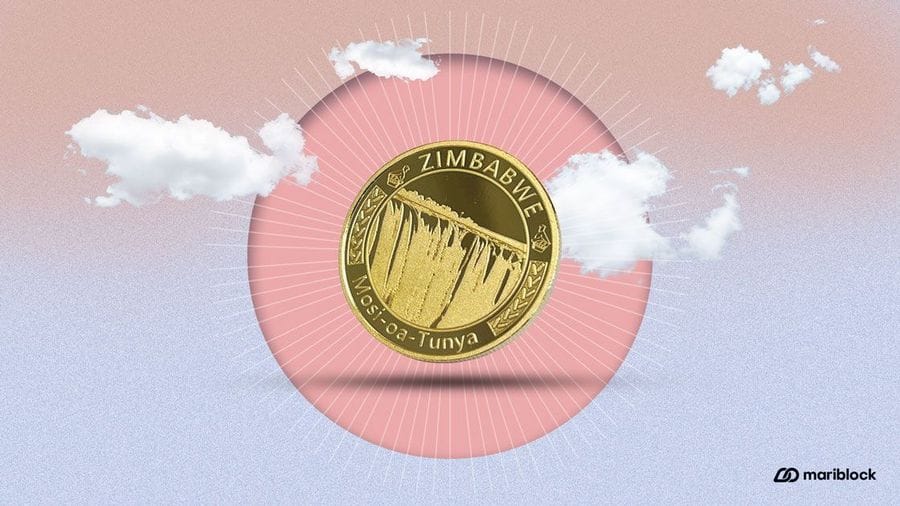
However, there are concerns about its stability, given the price of gold and fluctuations, regulatory challenges, trust, and cybersecurity.

Oct 9, 2023
Zimbabwe's novel monetary experiment using a gold-backed digital currency to counter persistent hyperinflation — from the RBZ's CBDC roadmap through the gold token launch, IMF pushback, P2P platform rollout and the introduction of a new digital transacting currency.
Zimbabwe's novel monetary experiment using a gold-backed digital currency to counter persistent hyperinflation — from the RBZ's CBDC roadmap through the gold token launch, IMF pushback, P2P platform rollout and the introduction of a new digital transacting currency.
However, there are concerns about its stability, given the price of gold and fluctuations, regulatory challenges, trust, and cybersecurity.
The bank hopes to use the CBDC to tackle hyperinflation in the country and provide an alternate store of value for Zimbabweans.
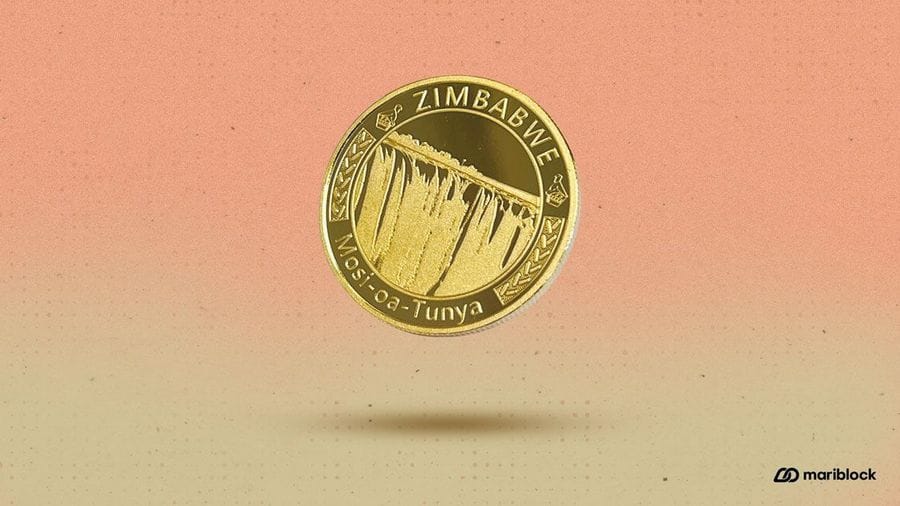
Zimbabwe's government has been urged to pay civil servants with gold-backed CBDC and coins amid plunging economy.
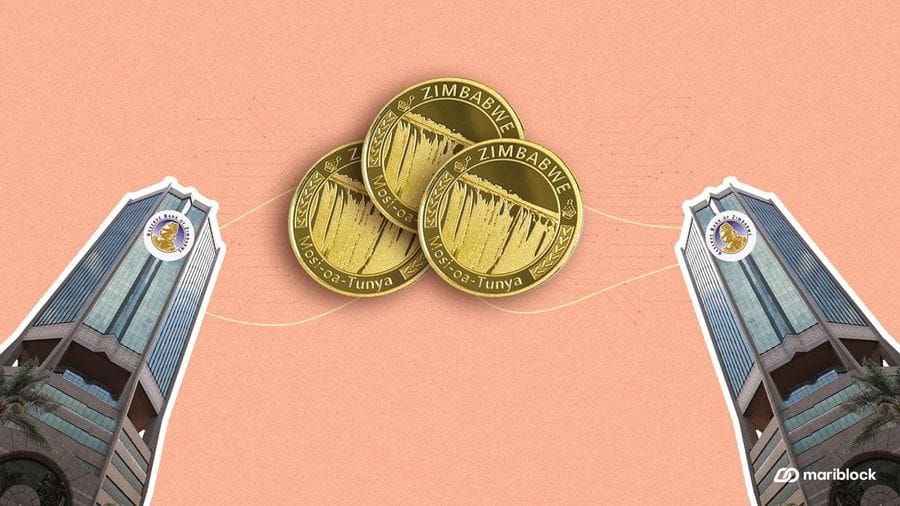
The move is aimed at reducing the demand for US dollars and providing an alternative currency and store of value.

Experts say public distrust in the Zimbabwean dollar as a store of value could also be transferred to the newly introduced CBDC.

Blockchain projects are looking to disrupt Africa’s real estate.
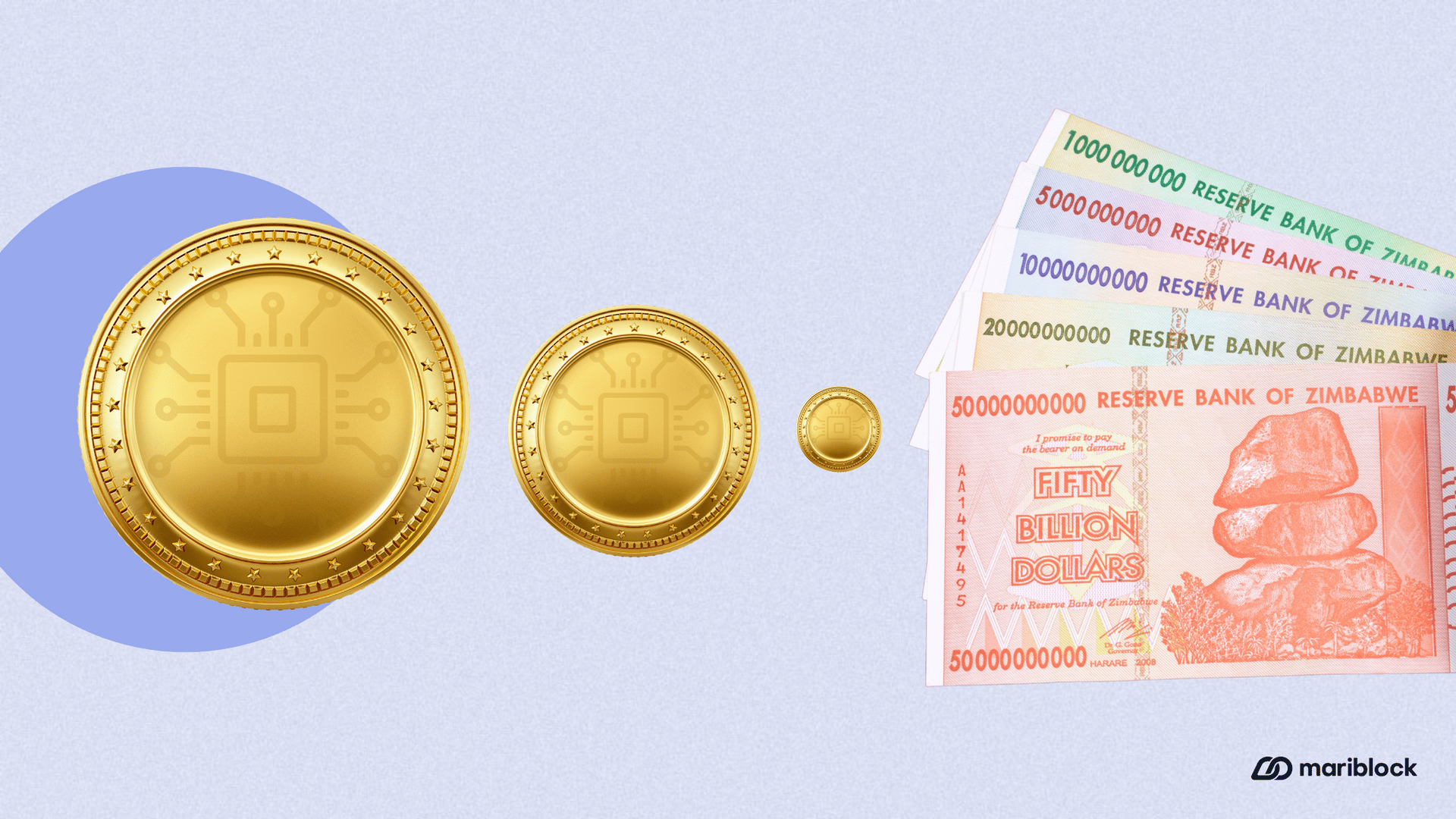
This is the latest move by the bank to battle runaway inflation, a depreciating currency, and a dollarized economy, and it is coming amidst controversy in the country’s gold sector.
Zimbabwe becomes the second African country to drop lending rates for the second time this year, after Angola.
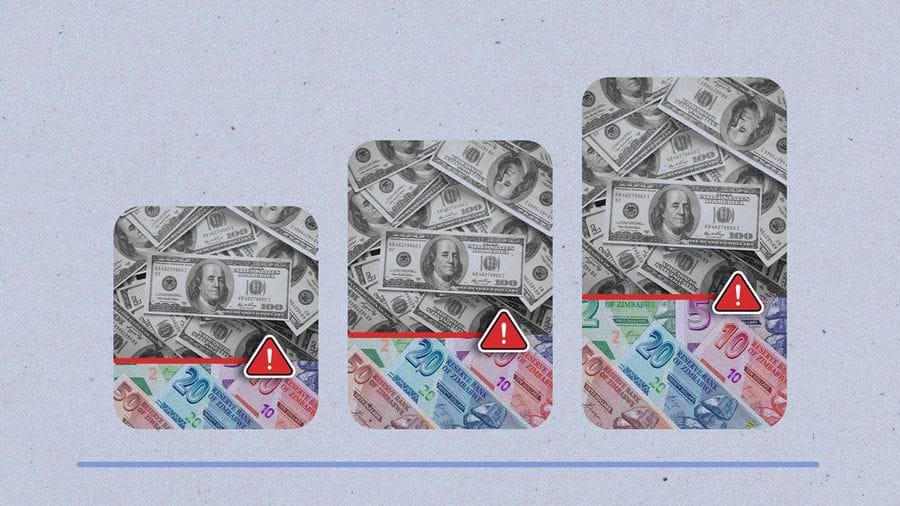
76% of government spending is in U.S. dollars and could cause damage to Zimbabwe’s economy long term, the Confederation of Zimbabwe Industries wrote


