

State of fiat
Nigeria seeks $1.5 billion World Bank loan to ease forex shortage
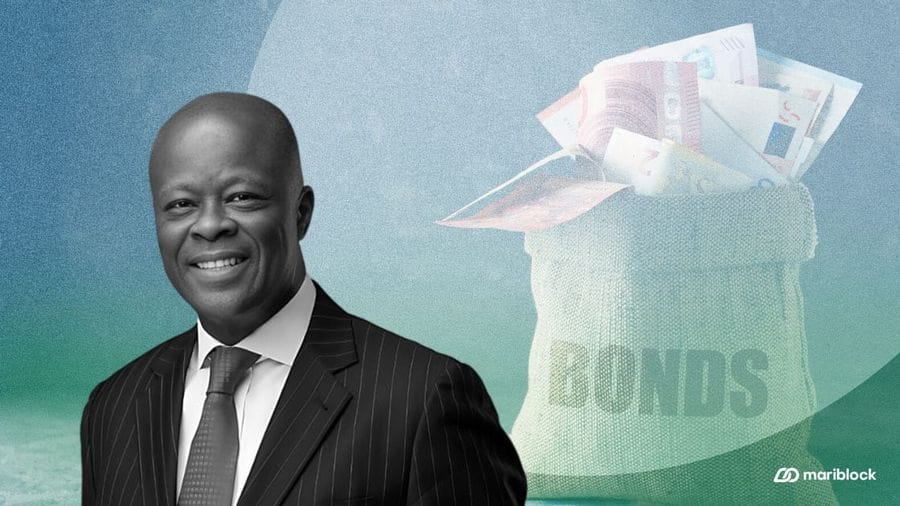
Nigeria’s Finance Minister added that the country is also looking to tap into the Eurobond market this year if rates fall.

Jan 26, 2024
Nigeria’s Finance Minister added that the country is also looking to tap into the Eurobond market this year if rates fall.

Akowe is leveraging blockchain to address the challenges of the safekeeping of academic certificates in Sub-Saharan Africa.
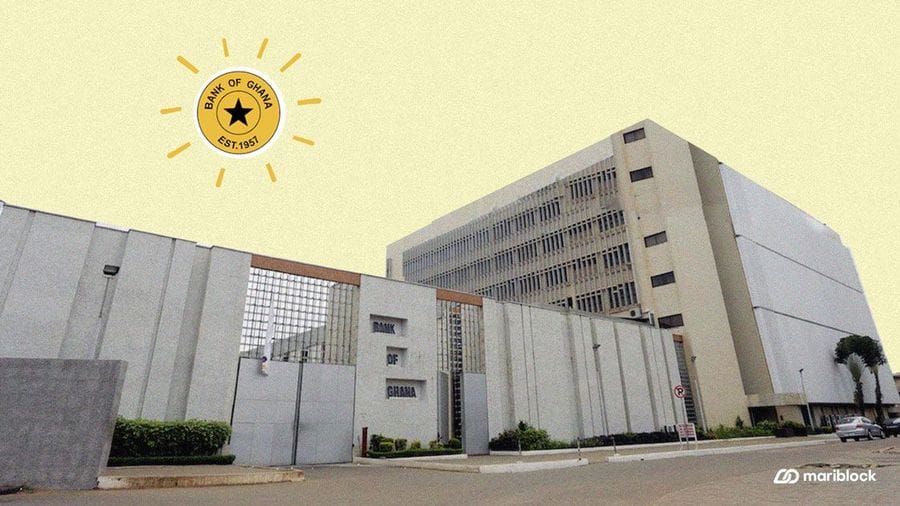
The BoG Governor said the country’s economy grew by 3.2% in the second quarter, surpassing the 1.5% growth target set in the IMF program.

The kiosks enable a seamless buying and selling of various cryptocurrencies with cash or other methods.
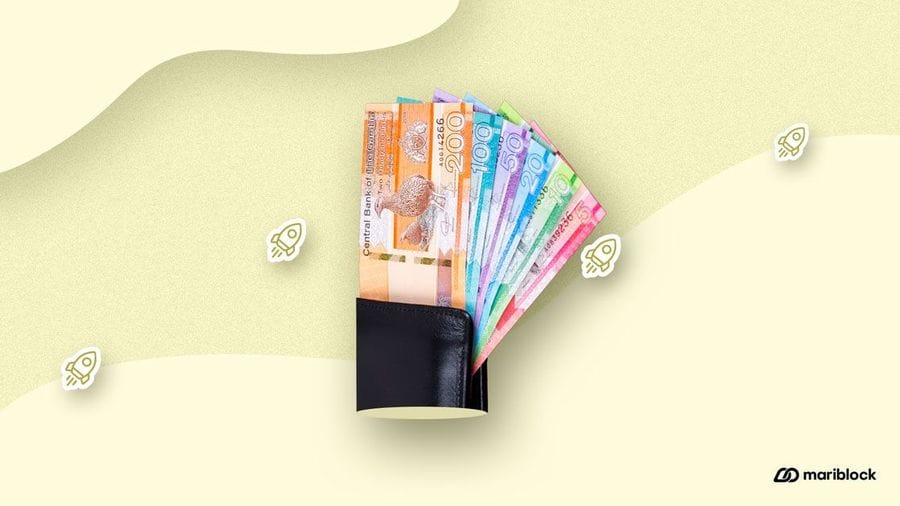
Despite rising inflation rates up to 18.4%, Gambian dalasi managed to gain 0.9% against the US dollar

The eVerify service will be used in the education, health care, production, and legal sectors of the country.

Critics have labeled the act by the global cryptocurrency company as a publicity stunt to launder its embattled image.

Bitcoin Dada hopes to increase women’s participation in bitcoin by creating a more equitable and inclusive financial system in Africa and beyond.

To address the digital divide in Kenya, Kotani Pay employs familiar interfaces like USSD, making interactions with blockchain wallets as straightforward as everyday tasks.
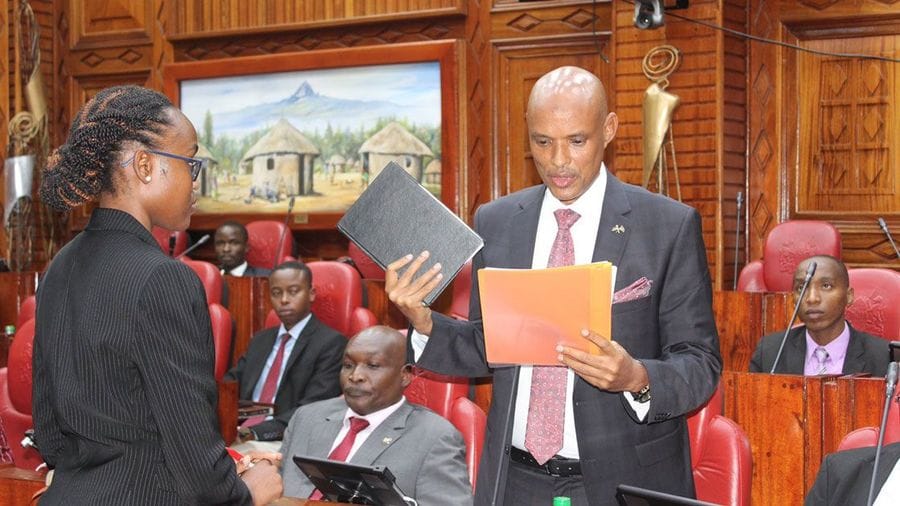
Worldcoin’s orb, used to scan people’s eyeballs, was confiscated by the DCI from the operators and is in their custody.
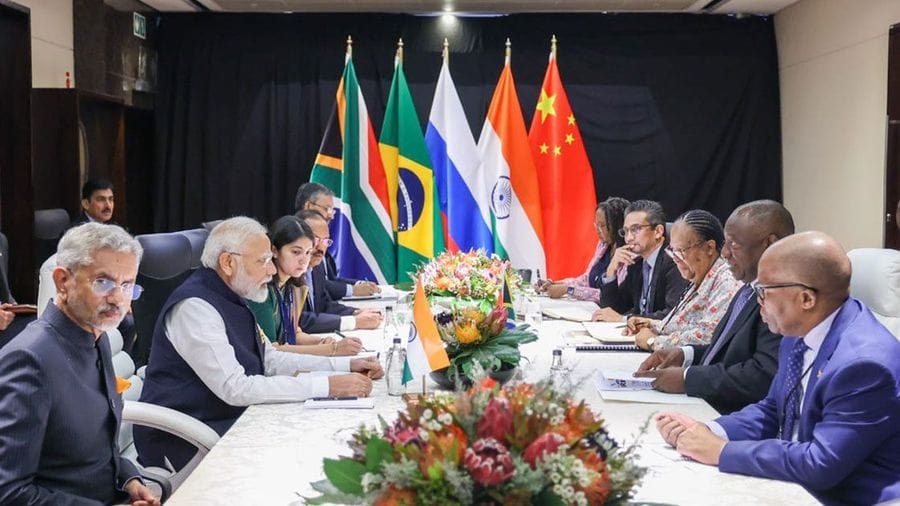
This is the bloc’s first expansion in 13 years.

Despite facing several challenges since its launch, the Sango project announced the tokenization of its land and natural resources.

The funding is expected to be used to support the federal government in its efforts to stabilize the naira.
The project, which has offered loans to African businesses, sees bad UX as a major hurdle to crypto adoption and sees its passkey demo as the solution.
ABCON believes the continued operation of Binance in the country threatens the naira’s stability.

EMTECH currently works with six central banks, including Nigeria and Ghana, and is looking to expand into four more African countries.

The bank hopes to use the CBDC to tackle hyperinflation in the country and provide an alternate store of value for Zimbabweans.

The Bank warns that individuals using virtual assets will take full responsibility for such transactions.
The partnership is aimed at facilitating cross-border transactions using both cryptocurrency and fiat currencies in multiple countries.
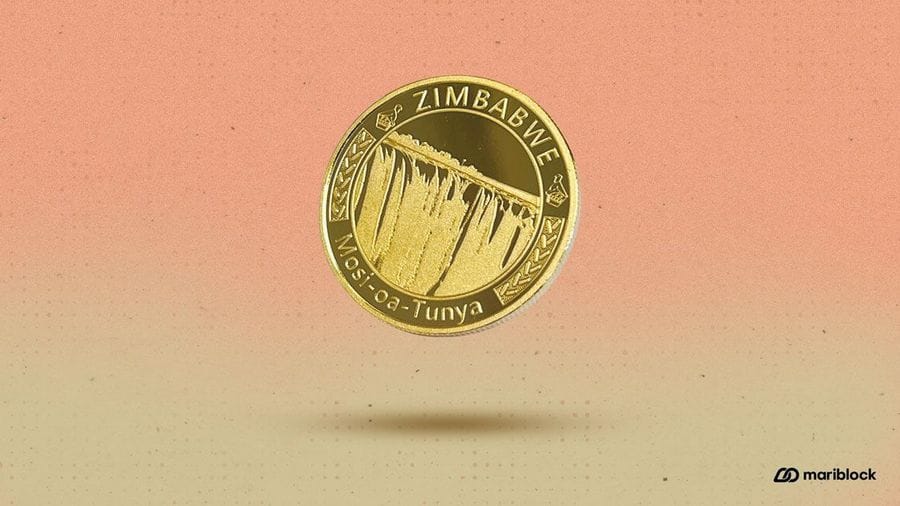
Zimbabwe's government has been urged to pay civil servants with gold-backed CBDC and coins amid plunging economy.