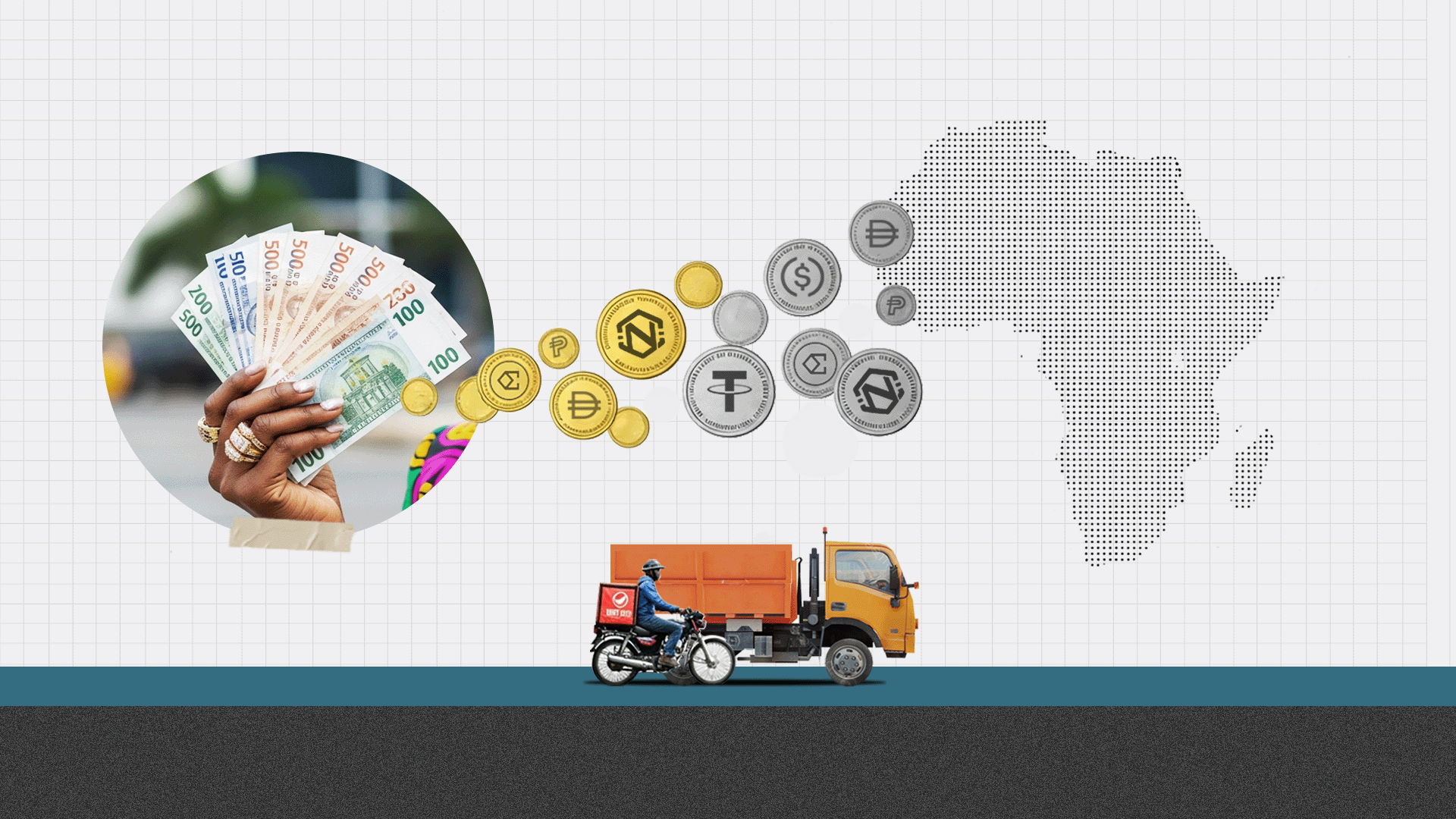
🟠 The booming era of crypto remittance in Africa
Add Mariblock as your preferred source to see more of our stories on Google.
Plus: Kenya warns citizen to be vigilant about Worldcoin 🤥 | Mara introduces an Ethereum layer-2 testnet 💰| Namibia changes course, signs regulatory bill into law 👐🏾
Bitmama’s fintech app Changera integrates MoneyGram Access
Topline: Changera, Bitmama’s fintech arm, has integrated MoneyGram Access, allowing the startup to offer global cash-to-crypto deposits and withdrawals. (Details)
Be informed: MoneyGram Access resulted from a 2022 partnership between Stellar Foundation (SDF) and Circle, the USDC stablecoin issuer.
What was said: “There’s a percentage of users that deal with cash, and I don’t want to use the word unbanked. But they earn in cash, and they send money to their families using cash,” CEO Ruth Iselema told Mariblock.
“So this will enable people to cash into their Changera wallet directly and be able to send money to their loved ones across Africa.”
Key facts: Changera’s integration with MoneyGram enables cash-to-crypto conversions.
It supports cash-in transactions in Canada, Senegal, Uganda, and Kenya.
Changera has also secured a money service business license in Canada, where it plans to serve the African Diaspora and improve their remittance experience.
In a similar development, Honeycoin, another African crypto company, also recently integrated MoneyGram Access. However, Honeycoin only supports cash withdrawals.
Its users in Kenya, Uganda, Tanzania, Nigeria and Ghana can now withdraw their USD Coin (USDC) holdings as cash at any supported MoneyGram location. (Details)
The big picture: Despite crypto’s potential for enhancing remittance experiences in emerging markets, particularly Africa, progress has been limited due to high volatility and user experience shortcomings.
However, the past year has seen African crypto companies moving to eliminate those shortcomings to make crypto’s benefits more accessible.
Earlier this year, pan-African exchange Yellow Card tapped Jack Dorsey’s Block (Cash App’s parent company) to offer cross-border payments between 16 African countries, including Nigeria, South Africa and Ghana.
Last year, Bitnob partnered with fellow Bitcoin companies Strike and CoinCorner to facilitate Lightning Network-powered remittances directly to recipients’ bank accounts in Africa from the United States and the European Union.
Be smart
Oluwaseun’s insights: We’re just getting started with crypto-based remittance developments. Following the partnership with Yellow Card, Block said it was looking to partner with more companies.
- A few builders I’ve spoken with confirmed they’re in talks with Block.
- That’s unsurprising, seeing as the Block team visited the continent a few weeks ago.
- In addition, I see Stellar Foundation’s close ties with African projects as telltale that we’ll see more of the same developments.
Mara introduces an Ethereum layer-2 testnet after dumping layer-one plans
Topline: African cryptocurrency company Mara has launched a testnet for its upcoming Ethereum-compatible layer-2 (L2) network, Mara Chain. (Details)
Key facts: The Mara Chain is an Optimism fork, inheriting the Optimism mainnet’s legacy.
The company said its layer-two network would enable on-the-ground settlements for Mara merchants and provide the infrastructure for African developers to build the next generation of applications.
Be smart
Oluwaseun’s thought cloud:
- Why build your own L2 instead of contributing to developing a more robust network — such as the one being forked?
- Is there a need for an African-native chain?
Hit the reply button. If we get enough responses, we may publish them.
Be smart: A blockchain testnet is a simulated platform for developers to test and experiment with blockchain applications before going live.
Optimism is an L2 network designed to help users avoid congestion and high fees on the Ethereum blockchain.
Change of strategy: Mara previously planned to launch a layer-one (L1) blockchain network in the fourth quarter of 2022 — instead of the layer-two network it’s planning to introduce.
A Mara spokesperson told Mariblock: “In response to evolving blockchain industry trends, we’ve transitioned to a layer-2 solution, recognizing the growing popularity of app-specific chains and L2s’ defining role for their improved performance and user-friendliness while maintaining ties to the established Ethereum layer-1 network.”
Takeaways from Empowa’s Glen Jordan World Bank discussion
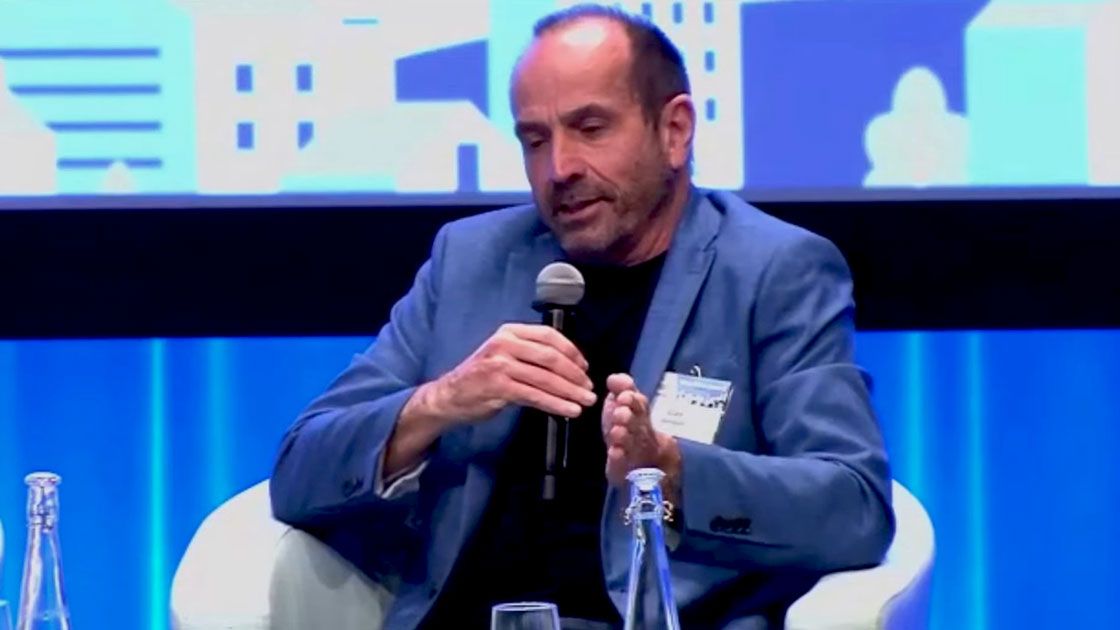
Topline: Glen Jordan, the CEO of Empowa, a fintech company that provides affordable home loans to low-income households in Africa, shared details about his company’s operational model with global industry experts. (Details)
Fast facts: Jordan discussed using blockchain to fund affordable housing in Mozambique via a lease-to-own model, meeting informal market needs and ensuring trustworthy feedback to investors.
He stated that blockchain provides transparency for investors to monitor their rent-to-own portfolio in real time.
Empowa is discussing a proof of concept with legislators in some African countries. When asked about regulators’ reactions, he said.
“We are getting quite a positive response because of the demands, because of the realization of how all we are trying to achieve is cost reduction. If we can reduce cost and improve information [then] we’re achieving significant advances. So far, the response has been very positive in terms of what we’re doing.”
Worldcoin goes live and expands orb access in Kenya and Uganda. Regulatory and ethical concerns lurk
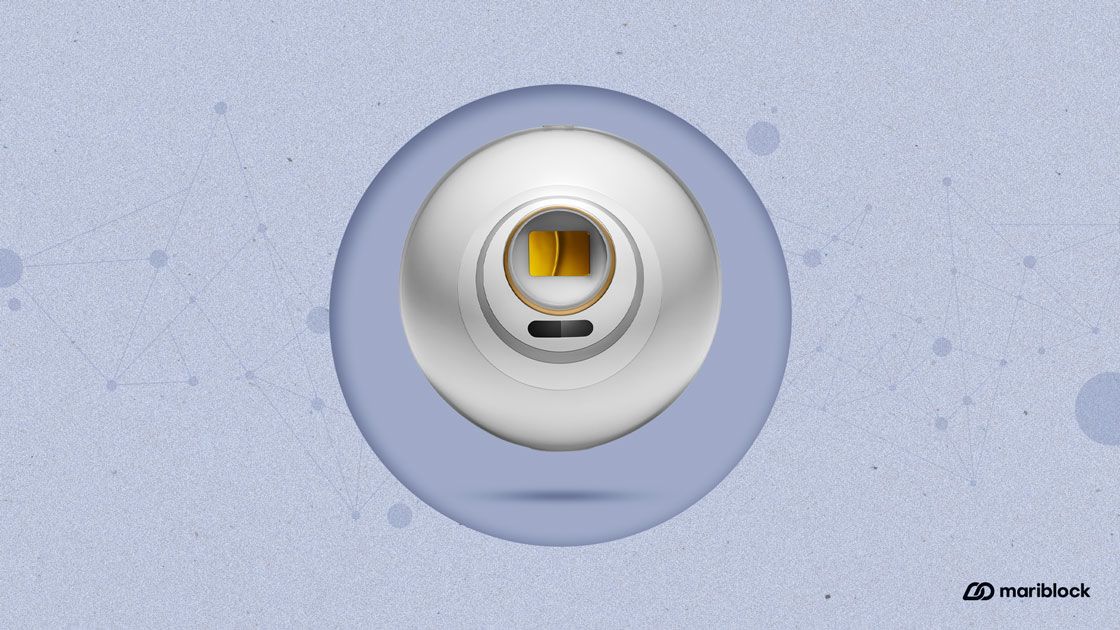
Topline: Blockchain-based digital identity project Worldcoin, cofounded by Chat GPT’s Sam Altman, has gone live with its world app. (Details)
It also announced that it is adding 1,500 more orbs across 35 cities worldwide — including two African cities — to increase its capacity to register more people.
Quick facts: New orbs were launched on July 24 and will be fully operational in cities like Nairobi and Kampala by year-end.
People can now scan their iris at nearby orb locations to create a digital identity.
The company verified 40,000 identities weekly for six months and plans to increase capacity by over five times despite privacy controversies and data-selling allegations.
Be informed: Worldcoin aims to digitize the identity of humans and pay them 25 WLD (Worldcoin tokens) upon registering their identities with the company.
To record identities, Worldcoin uses orbs (silver, eye-like round objects) to scan individuals’ irises.
Biometric data from the scan creates unique digital identities on a verified human database.
Meanwhile, in Kenya, The Data Protection Commissioner warned Kenyans to be vigilant about their data as they rush to register their identity with Worldcoin. (Details)
The Data Protection Commissioner is assessing Worldcoin’s data processing compliance and advises Kenyans to be informed before signing up.
The warning comes amid a rush of people seeking registration, as shown in video footage.
Key quote: Kenya’s Data Commissioner Immaculate Kassait commented:
“It is the responsibility of data controllers to ensure that personal data is processed in accordance with the Data Protection Act. Failure to do so not only puts individuals’ privacy at risk but also exposes an organization to legal and reputational consequences.”
Coming soon: Mariblock Roundtable

Topline: Mariblock’s top priority is fostering impactful conversations that drive the advancement of the African blockchain and digital assets space.
We see stakeholder engagement as a significant part of that.
Mariblock Roundtable will bring builders, talents, investors, enthusiasts and regulators around the continent together to engage in discussions that move the needle for the industry
This won’t be a crypto/blockchain education series.
We’re open to partnerships. Do reply to this email if you’d like to learn more.
Catch up
🌍 ICYMI: The story behind the Nigerian SEC’s recent circular on Binance. (Mariblock)
🌍 World Mobile partners with Conflux blockchain to drive expansion into new markets. (Mariblock)
🌍 EMTECH releases a Web3-enabled CBDC innovation kit. (Mariblock)
🇰🇪 Dimitra partners with OMA to improve blockchain offerings in East Africa. (Mariblock)
🇳🇦 Namibia’s crypto regulatory bill signed into law. (Mariblock)
🇿🇦 Momint integrates voucher payment into blockchain wallet. (Mariblock)
🇰🇪 Blockchain technology lets East African farmers sell globally (Cointelegraph)
🌍 Crypto in Africa: Crypto Continent in The Making? (Finance Magnates/Youtube)
I’d love to hear from you ✍🏾
What are your thoughts about this newsletter?
What are we doing well, and what should we improve on?
Hit the reply button, and let’s talk — even if it’s a reaction to any of the stories covered here.
I look forward to hearing from you.
That’s it for this week.
See you next week.
Cheers,
Ogechi.