

One in four African and Middle Eastern business leaders expect merchants to accept crypto - Ripple survey.
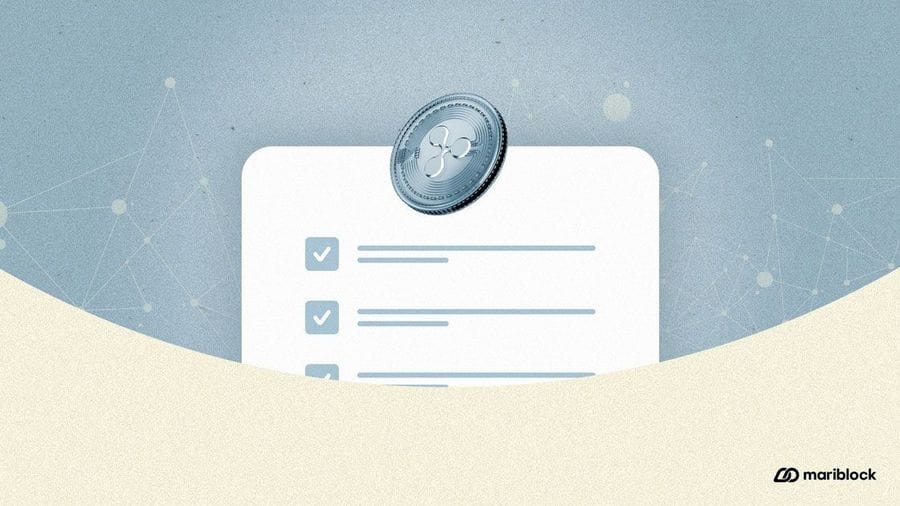
Design by Ifeoluwa Awowoye for Mariblock.
Topline: A global survey found that 97% of respondents believe blockchain will significantly reduce cross-border remittance time and cost in 3 years. (Details)
Be informed: The survey, conducted by Ripple and the US Faster Payments Council, polled responses from over 200 respondents who hold leadership positions in global sectors across 45 countries.
Quick facts: Most respondents believe blockchain technology and cryptocurrencies would make payments more accessible and faster within one to three years.
- However, while most respondents agreed that cryptocurrencies facilitate lower payment costs, among other benefits, only 17% supported crypto-enabled payments in their business at the time of the survey.
- In addition, 24% of African and Middle Eastern respondents believed that most merchants in their region would accept payments in crypto within a year.
Zoom out: Crypto-based payments have started reaching retail stores in South Africa.
- Pick n Pay, a South African retail chain, launched a payment system that allows users to pay for goods with bitcoin through Lightning-powered Bitcoin wallets.
- Last week, Mariblock reported that another South African company, Momint, launched a partnership to allow users to purchase shopping vouchers with crypto.
Kenya suspends Worldcoin’s activities over safety and privacy concerns
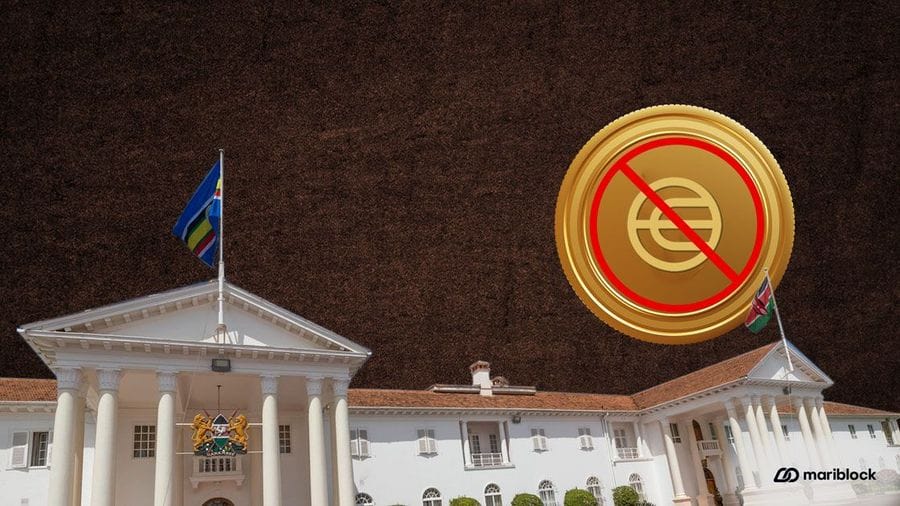
Design by Samuel Ojo for Mariblock.
Topline: The Kenyan Ministry of Interior and National Administration directed on Wednesday, August 2, that all activities of Worldcoin, the digital ID company, be suspended until the government has concluded investigations into their activities. (Details)
State of play: The cabinet secretary for the ministry, Kithure Kindiki, said that relevant agencies are investigating the security, authenticity and legality of Worldcoin’s activities.
- He added that the government was concerned with Worldcoin’s activities, and agencies will probe how it intends to use the data it gathers.
Quick background: Following Worldcoin’s expansion into Kenya, security and privacy concerns arose primarily in protecting subscribers’ data.
- In July, Worldcoin expanded orb access across several cities, including Nairobi and Kampala, which spurred a rush to sign up across Kenya’s capital, Nairobi.
- A few days later, the data protection commissioner’s office in Kenya warned Kenyans to be correctly informed on how Worldcoin would use their data before signing up.
What they’re saying: The Kenyan cabinet secretary for the Ministry of Information, Communication and Digital Economy in Kenya, Eliud Owalo, noted that the government has known about Worldcoin’s activities since April.
- Owalo added that Worldcoin has not violated any Kenyan laws within the existing legal framework and corresponds with the Data Protection Commissioner.
- He acknowledged that Worldcoin’s activities could raise security and regulatory concerns but that Kenyan law allows them to collect data voluntarily, so there may not be any legal issues.
ICYMI: Mariblock hosted an informative Twitter Space last Thursday, August 3, to discuss the controversy surrounding Worldcoin. If you missed the Space and want to listen in, click here.
KPMG debunks misconceptions: Bitcoin’s environmental impact is less severe than believed
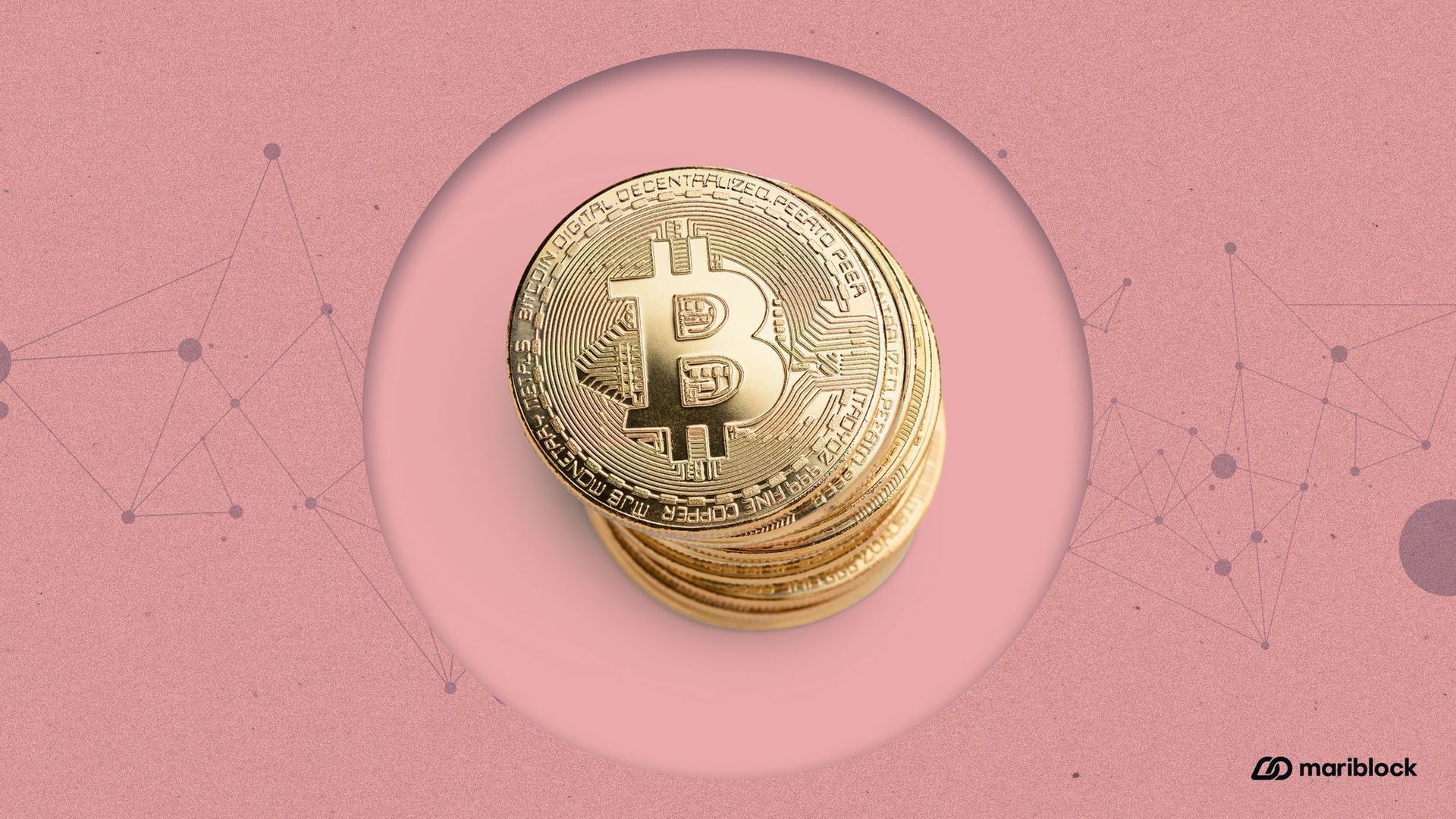
Design by Ifeoluwa Awowoye for Mariblock.
Topline: Global accounting firm KPMG has released a report on the environmental, social and governance issues surrounding Bitcoin.
- The report highlights that Bitcoin offers several advantages as opposed to its widely believed disadvantages, some of which the report says are exaggerated. (Details)
Fast facts: KPMG described the oft-debated topic of the energy consumption requirements of Bitcoin mining and its carbon footprint as significantly lower than is often discussed.
- The report stated that Bitcoin mostly makes no direct impact on the atmosphere since Bitcoin mining hardware runs on electricity. In fact, the electricity generation process produces carbon at much lower levels than is widely believed.
- KPMG added that Bitcoin has made a social impact by simplifying cross-border payments, helping with fundraising for Ukraine in its ongoing conflict with Russia, and providing electricity for rural places in Africa.
- The report also cited a Chainalysis article that found that only 0.24% of Bitcoin transactions are used for money laundering. According to the company, this data suggests that concerns about Bitcoin as a tool for money laundering are overblown.
Essential background: Bitcoin has been criticized for high energy consumption and being a massive contributor to carbon emissions.
- Bitcoin mining is outlawed in many countries. Earlier this year, Libyan authorities clamped down on the activities of Bitcoin mines in the country. The Libyan government attributed the frequent power cuts in the country to Bitcoin mining activities.
Coming soon: Mariblock Roundtable

Mariblock
Topline: Mariblock’s top priority is fostering impactful conversations that drive the advancement of the African blockchain and digital assets space.
- We see stakeholder engagement as a significant part of that.
- Mariblock Roundtable will bring builders, talents, investors, enthusiasts and regulators around the continent together to engage in discussions that move the needle for the industry.
- This won’t be a crypto/blockchain education series.
- We’re open to partnerships. Do reply to this email if you’d like to learn more.
Catch up
🇳🇬 Nigeria’s SEC reissues circular on Binance, following Mariblock’s exclusive on the events leading up to the June 9 circular. (Mariblock)
🌍 Egypt launches new “high interest” dollar savings certificate. (Mariblock)
🌍 More African countries should consider crypto regulations — Yellow Card CEO. (Mariblock)
🌍 Non-custodial wallets: the future of crypto security. (Mariblock)
🇰🇪 Kenya now has a Bitcoin Lightning Network node. (Mariblock)
🇳🇦 Namibia insists cryptocurrencies are not legal tender. (Mariblock)
🇿🇼 RBZ’s CBDC is set to be used for transacting in a month. (Mariblock)
🇳🇪 World Bank suspends disbursements to Niger amid sanctions (Mariblock)
I’d love to hear from you ✍🏾
What are your thoughts about this newsletter?
What are we doing well, and what should we improve on?
Hit the reply button, and let’s talk — even if it’s a reaction to any of the stories covered here.
I look forward to hearing from you.
That’s it for this week.
See you next week.
Cheers,
Ogechi.