
State of fiat
Nigeria, South Africa and two other African countries exit FATF’s grey list
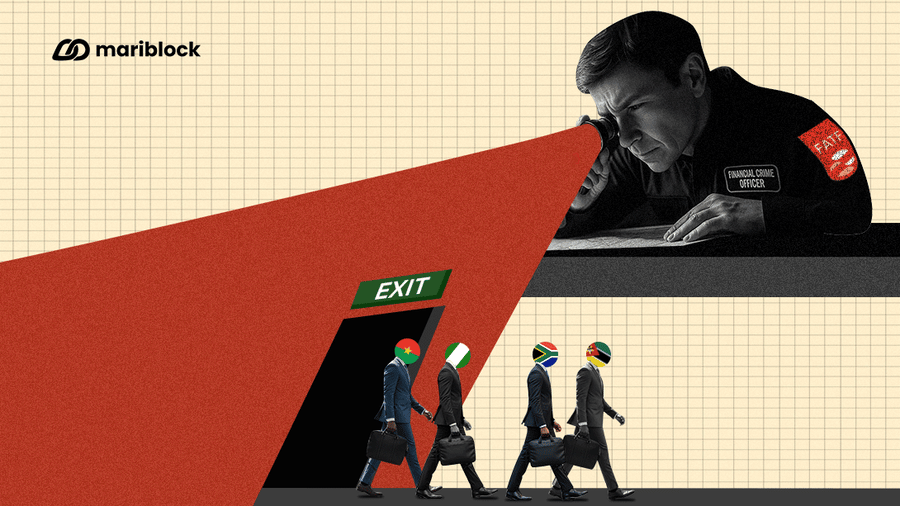
According the IMF, these countries have lost significant sums of money as a result of being grey listed by the FATF

Oct 27, 2025
State of fiat — coverage and analysis.
According the IMF, these countries have lost significant sums of money as a result of being grey listed by the FATF
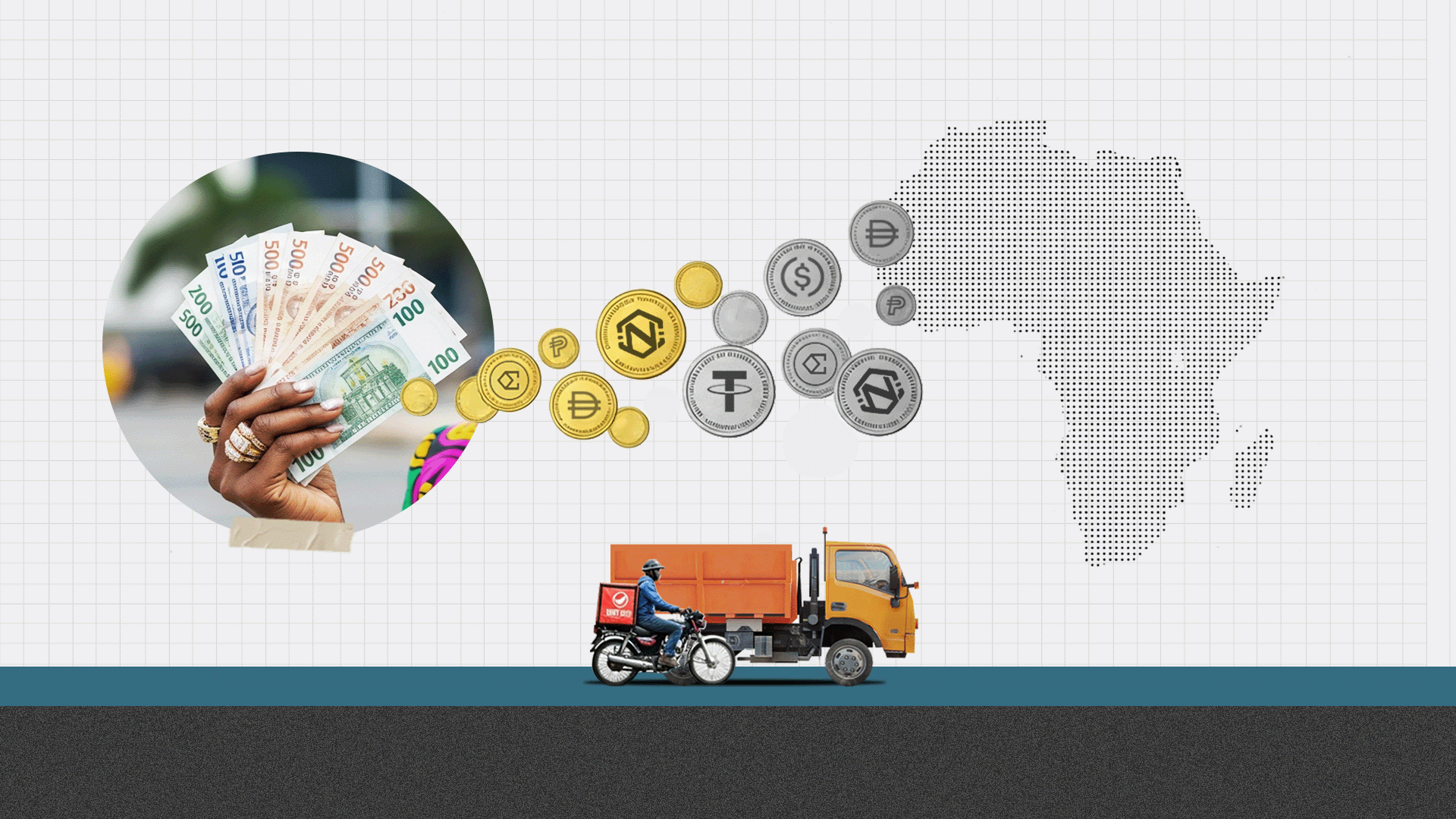
Ayotunde Alabi highlights how adopting stablecoins and tokenized assets can help Africa build a modern financial system that drives trade and economic growth.
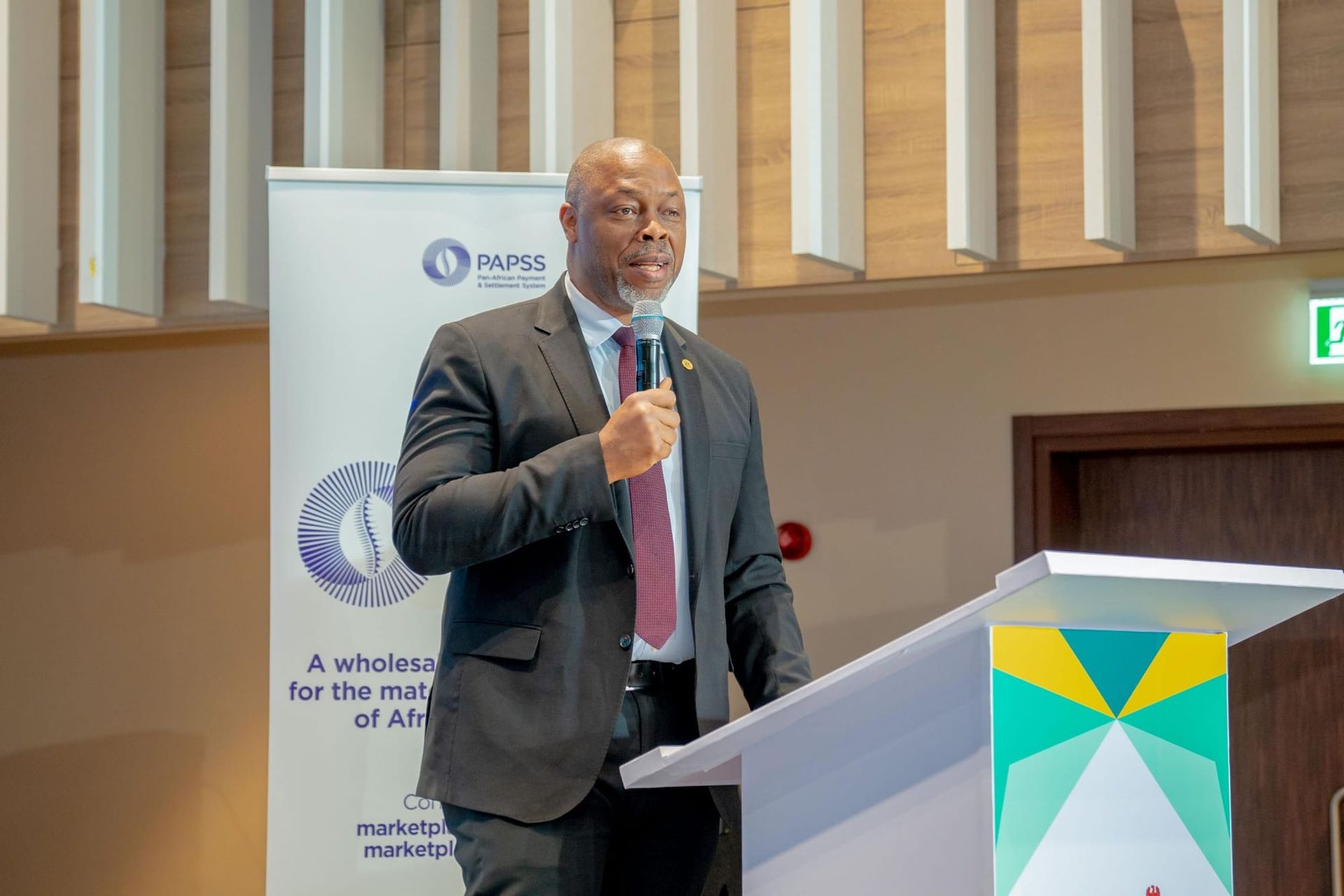
Interstellar says 19 countries and several multinationals now use the African currency marketplace for cross-border transactions.
The East African country is now seeking a fresh credit program from the IMF.
This brings the total number of African countries on FATF’s grey list to 12, accounting for approximately 57% of all grey-listed countries.
Nigeria’s Finance Minister added that the country is also looking to tap into the Eurobond market this year if rates fall.
In December 2023, Ethiopia informed its bondholders that it would not be able to make a $33 million repayment on its $1 billion Eurobond loan.
A staff-level agreement follows the approval of the IMF loan to Kenya in November 2023.
Once the date for a meeting has been set, it is expected that the necessary approval will be granted.

With the eCedi CBDC, the Bank of Ghana hopes to stay relevant in an increasingly digital world. The CBDC is also created for financial inclusion.
$50 million comes as a grant from the World Bank’s International Development Association.
Presently, the country wants to work on improving its economy and increasing financial inclusion.

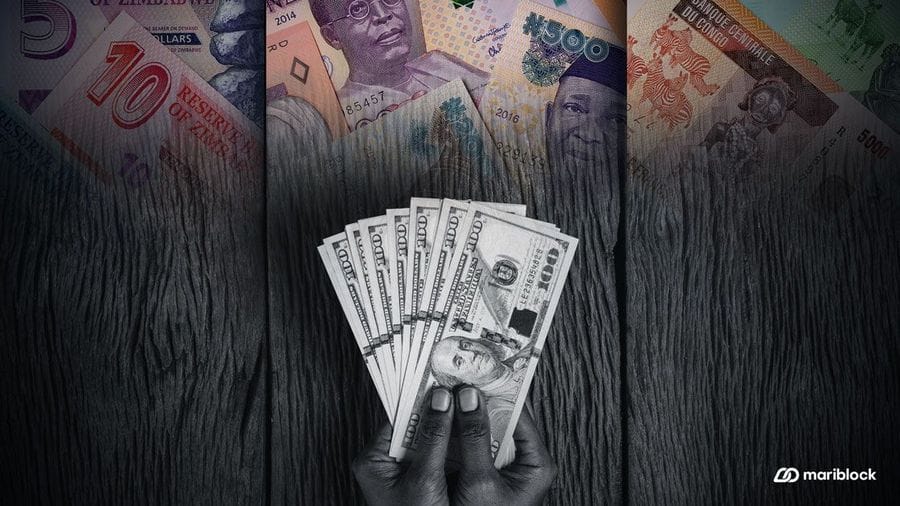
The naira was one of the worst-performing currencies in 2024, and experts see the trend continuing in 2024.
The country’s finance ministry is looking to restructure its Eurobond following recent success with restructuring the terms of its bilateral debt.

Plus: 🇳🇬 Central Bank of Nigeria to tackle inflation by mopping up excess liquidity in banking system. 🇳🇬 Nigeria secures $1 billion concessionary loan from African Development Bank.

Cardoso said that the previous CBN administration deployed unorthodox policies, resulting in an uptick in inflation.

The Federal Executive Council also approved a total limit of 2 trillion naira for the Ministry of Finance to reduce the country's debt servicing.
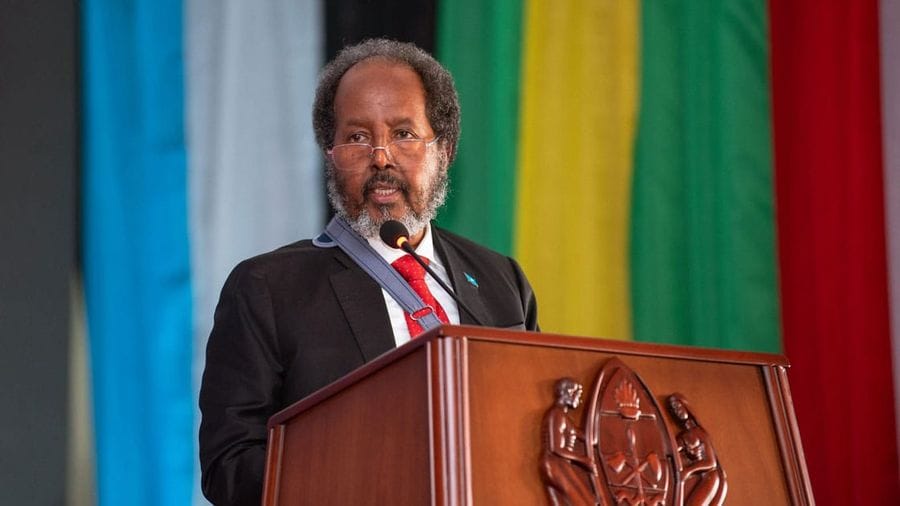
Although Somalia submitted its application in 2012, it took 11 years to grant its request due to lingering security concerns.
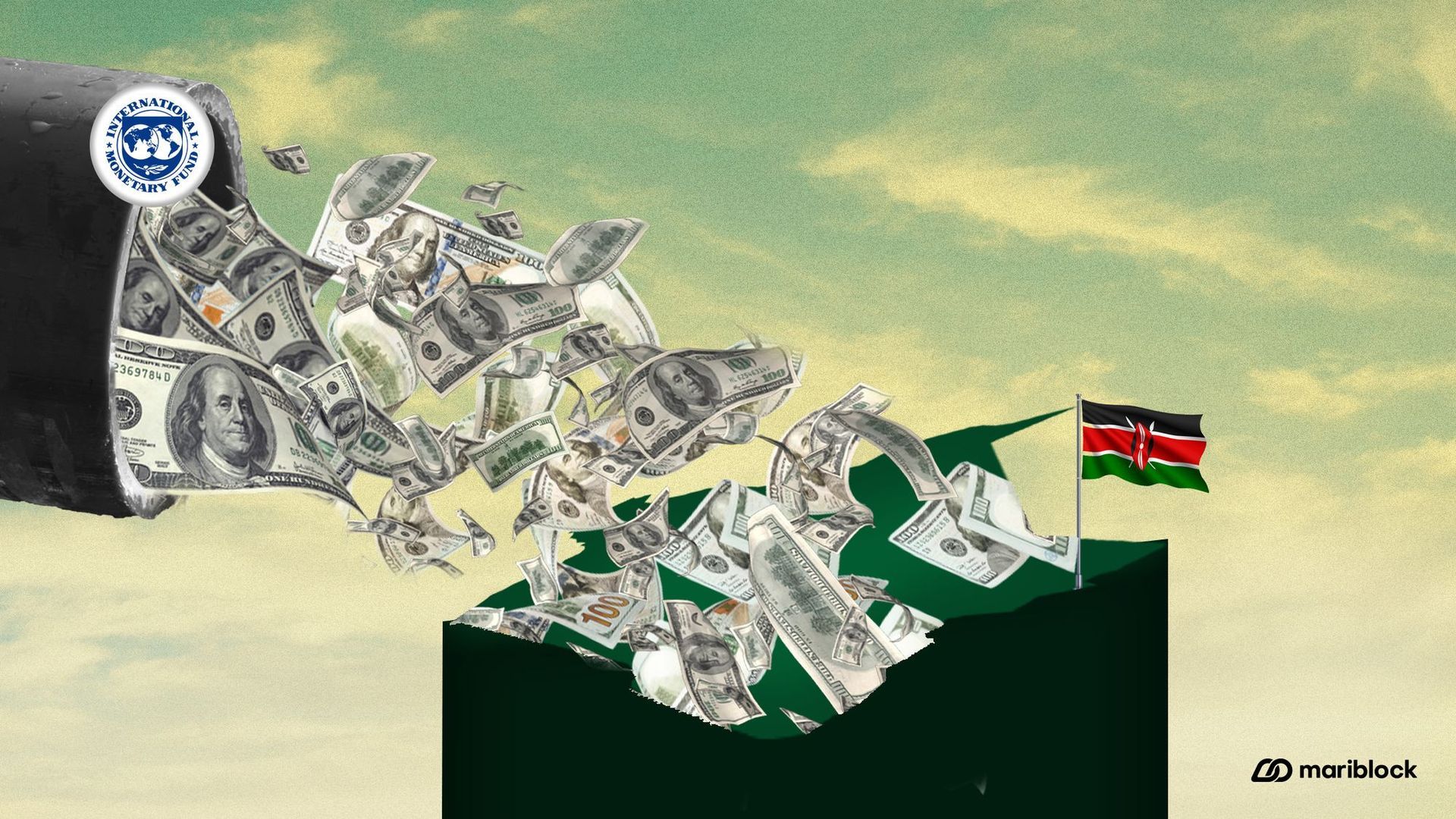
The additional funding will strengthen the country’s reserves before its $2 billion Eurobond payment in June.
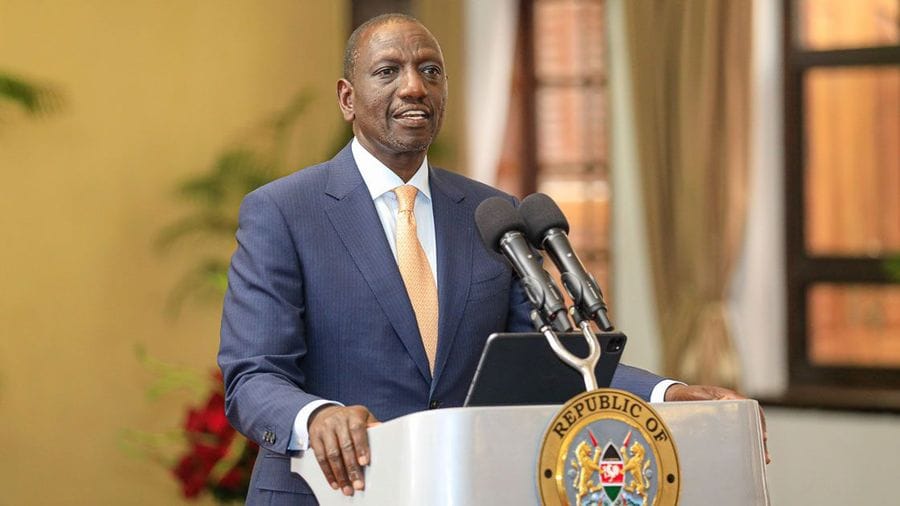
PAPSS allows African traders to settle deals using their respective national currencies.


