
SIGNAL
Regulation
SIGNAL▐Posture
VALR, Luno form coalition opposing South Africa's exchange control rules

CATASTROPHE fears that the rules will put local businesses at a global disadvantage and force crypto activity underground
Sep 11, 2026
Cross-border payments — coverage and analysis.
CATASTROPHE fears that the rules will put local businesses at a global disadvantage and force crypto activity underground
Its Daya Pro liquidity product processed $6.2 million in August, up from $600,000 in March, according to Afriflux.
Stablecoin wallet provider Blockradar has hit $1 billion in transaction volume, two years after launch. It now supports 100s of fintechs across 20 countries.
The milestone underscores the infrastructure quietly powering Africa’s stablecoin boom.
Last year at ETHSafari in Kilifi, Kenya, I spoke to two founders building a payments startup. One told me his team had two engineers, neither a blockchain specialist. Integrating Celo took about two months.
Then they switched to Blockradar.
“It’s like a normal API. They built it like a normal API. It doesn’t feel blockchain at all,” he told me.
Companies putting stablecoins into financial products eventually face the complexity of multiple blockchains. Blockradar abstracts that complexity into familiar API calls, turning months of integration work into hours or days.
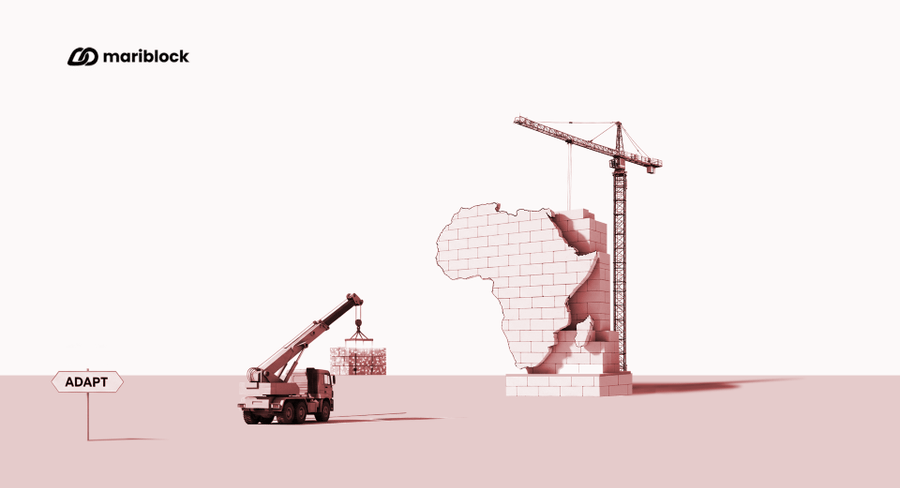
ADAPT, built in partnership with IOTA and the Tony Blair Institute for Global Change, will allow users to settle trades in local currencies and stablecoins.

While the full rollout is scheduled for 2026, a pilot program of the product feature is expected to run its course before the end of the year.

The network also wants its system to be compatible with more modern digital finance rails such as stablecoins

Ripple described Africa as a “natural next step” for RLUSD, citing increasing demand among businesses worldwide.

It will set parameters, conditions, administrative responsibilities, and reporting requirements for cross-border crypto transactions.

The tradFi giant sees stablecoins as an opportunity to innovate rather than as a threat, CEO Devin McGranahan said.

Interstellar says 19 countries and several multinationals now use the African currency marketplace for cross-border transactions.

Both firms plan to explore opportunities to drive stablecoin adoption in treasury management and cross-border payments across markets where Yellow Card is regulated.

From Naira-backed cNGN to emerging tokens across Africa, Amadi explains how these assets, if regulated and widely accepted, could enable fast, legal, and dollar-free transactions across borders.

African crypto firm Yellow Card and fintechs Flutterwave and Onafriq are among the Circle Payment Network’s inaugural partners

Blockradar’s COO, Morgan Williams, explains how stablecoins are reshaping payments, remittances, and financial access across Africa.

For Minipay, stablecoins aren’t just a product but the foundation for cross-border payments, savings, and financial inclusion in a fragmented continent.

Plus: 🌍 Bybit partners African talent firm Alt School for tech education 🇰🇪 Kenyan official suggests collaboration with Binance for tech innovation

The partnership aims to enable 24/7 blockchain-powered payments into nine African countries using Ripple’s XRP ledger
The partnership will help streamline crossborder payments into 20 African countries through stablecoins.

The IMF dissuaded the country from a quick launch, asking it to instead to prioritize improving its existing payment infrastructure.

The company plans to expand into Asia and Latin America.


