
State of fiat
Nigeria seeks $1.5 billion World Bank loan to ease forex shortage
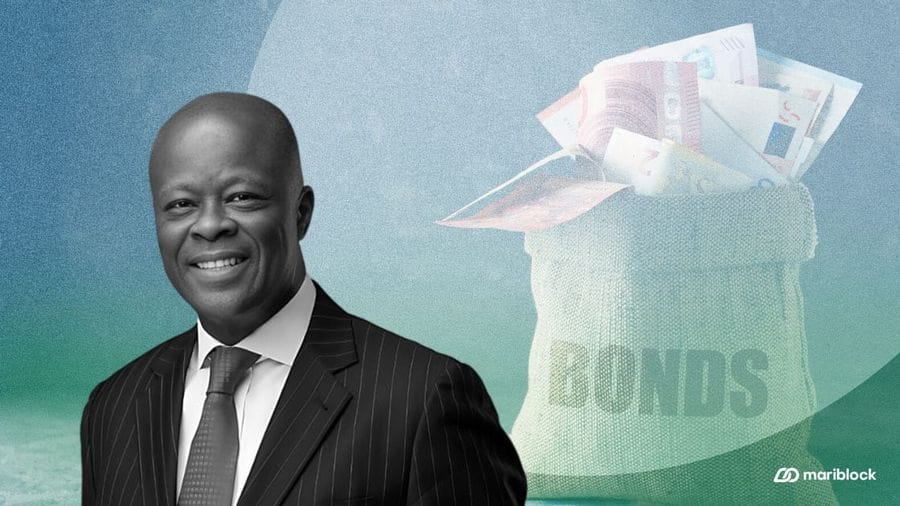
Nigeria’s Finance Minister added that the country is also looking to tap into the Eurobond market this year if rates fall.

Jan 26, 2024
The Nigerian naira's record devaluation and the cascading economic reforms it triggered — from the CBN's cashless push and cash withdrawal limits through Tinubu's post-inauguration reforms, exchange rate unification and desperate loan-seeking from the World Bank and AfDB.
Nigeria’s Finance Minister added that the country is also looking to tap into the Eurobond market this year if rates fall.
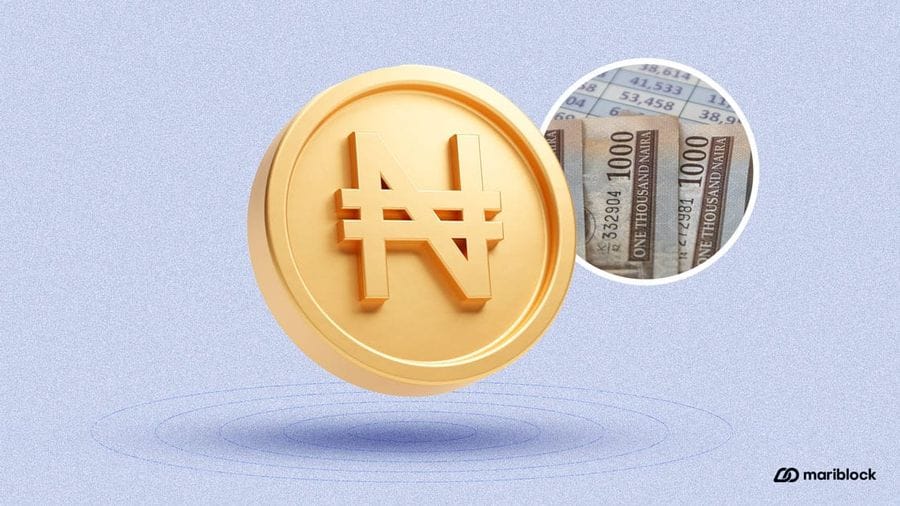
The naira was one of the worst-performing currencies in 2024, and experts see the trend continuing in 2024.

Cardoso said that the previous CBN administration deployed unorthodox policies, resulting in an uptick in inflation.
The Federal Executive Council also approved a total limit of 2 trillion naira for the Ministry of Finance to reduce the country's debt servicing.
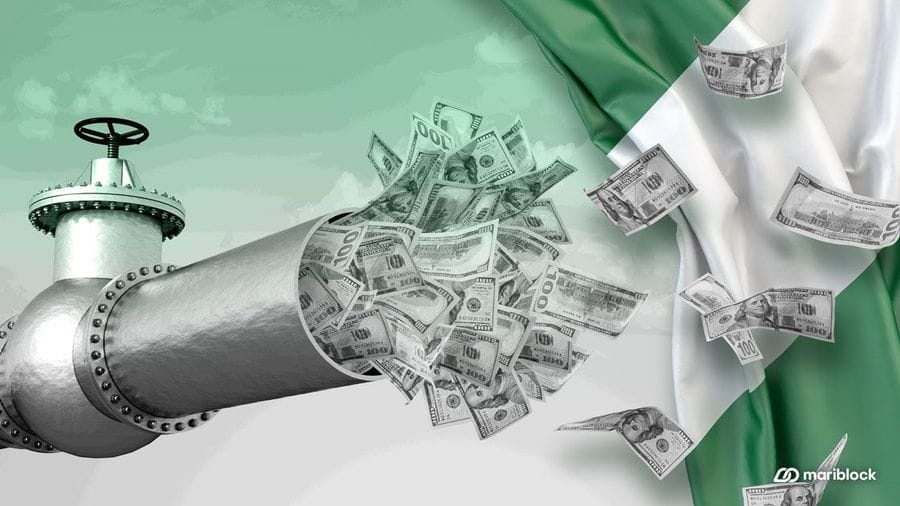
The naira has been on a free fall due to foreign exchange shortfalls. The government is looking to fill the gap with the expected inflow.
The finance minister expects the loan deal to be finalized soon.
Tough economic measures have seen Nigeria’s economy shrink in the short term, but growth is foreseeable in the medium term.
Nigeria recorded $47.60 million in FDIs for the first quarter of 2023, signifying a 69.28 percent year-on-year decline.

The move is the latest in a series of policies implemented by Nigeria’s new administration.
However, the bank advised that measures must be put in place to protect low-income households.
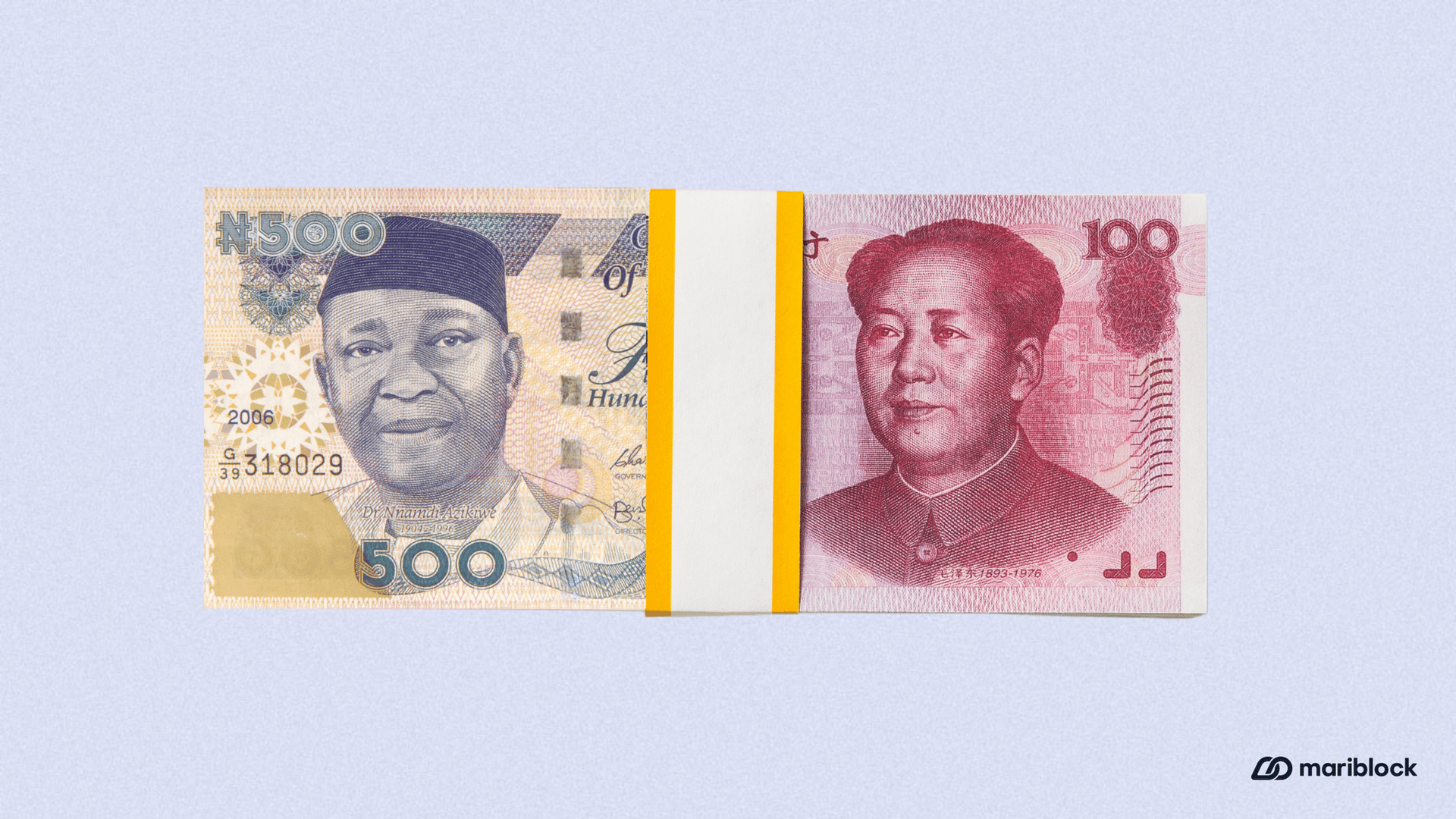
The deal was to reduce the demand for U.S. dollars and strengthen the value of the naira.
The new feature allows users in Nigeria to buy crypto without setting up a centralized exchange account. But appears to be more expensive than using an exchange.

A look behind the scenes detailing how Zone Network’s blockchain solution is processing millions of dollars in ATM transactions for four Nigerian banks.

A narrative has been doing the rounds that bitcoin is trading at a significant premium in Nigeria. A deeper look at how FX works in Nigeria reveals flaws in the bitcoin premium story.
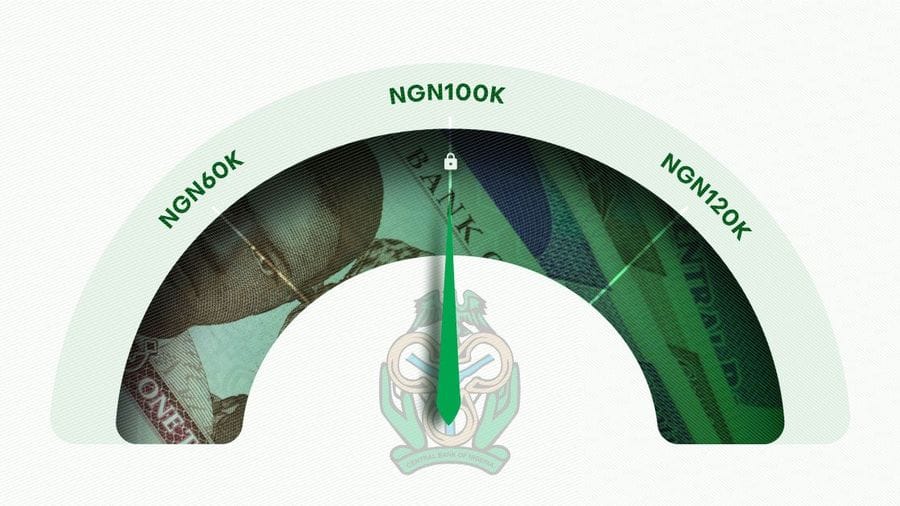
Nigeria's apex bank recently limited cash withdrawals in a display of excessive force. It leaves citizens at the mercy of banks to access their money.


