


The BIS thinks crypto is flawed, but CBDCs are “much firmer”

Photo credit: BIS
Topline: The Bank of International Settlement (BIS) has said tokenization is the future of global finance, but cryptocurrencies have too many flaws to be the foundation for this future. (Details)
Driving the news: The BIS said cryptocurrencies lack trust and have structural flaws, making them unsuitable as the primary foundation for a monetary system compared to central bank-issued currencies.
- The bank believes that central bank digital currencies (CBDCs) provide a more robust ground for tokenizing money and assets on a unified ledger. Wholesale CBDCs could serve as bank reserves, while retail could be digital versions of cash.
Be smart: According to the BIS, tokenization is the process of recording claims on tangible or financial assets that originally existed on a traditional ledger on a programmable digital platform.
Quick background: The BIS has previously strongly criticized cryptocurrencies and their impact on traditional finance.
- It warned that bitcoin is a risky investment and could break down altogether, unlike CBDCs, which are a better form of digital money.
- This report also comes a few days after the IMF proposed a similar CBDC system for settling cross-border transactions.
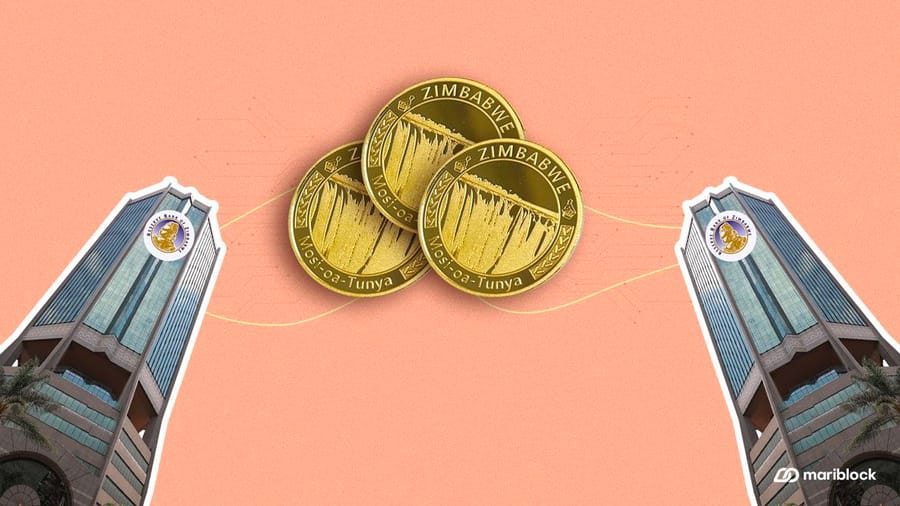
RBZ finalizes P2P platform for gold-backed CBDC
Design by Ifeoluwa Awowoye for Mariblock.
Topline: The Reserve Bank of Zimbabwe plans to make its newly released gold-backed central bank digital currency (CBDC) available as a means of payment for everyday transactions. (Details)
Fast facts: According to the bank’s governor, John Mangudya, the aim of this feature — which will go live in two weeks — is to cut down the demand for foreign currency and stabilize the Zimbabwean dollar.
- Individuals must open specific gold accounts with their local banks to use the gold tokens for transactions.
- The accounts are then linked to e-gold wallets or e-gold cards. The token’s value is based on the market value of gold, measured and sold in milligrams, each priced at 6 cents.
Background: Zimbabwe’s economy is one of the most dollarized in the world, with about 76% of government expenditure settled in USD.
- The RBZ launched gold-backed digital tokens initially for investment purposes to serve as a store of value and hedge against inflation in the country.
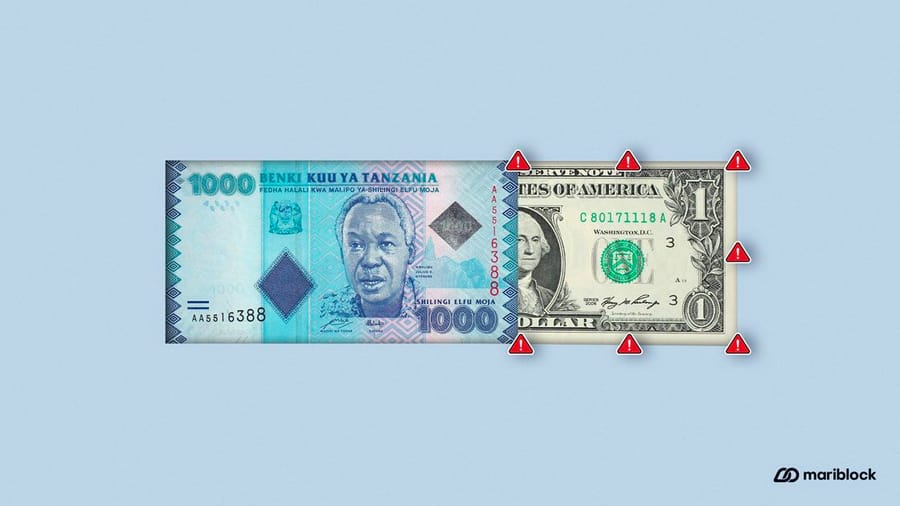
Tanzanian central bank calls for the de-dollarization of local market
Design by Ifeoluwa Awowoye for Mariblock.
Topline: The Bank of Tanzania has ordered businesses to stop using the U.S. dollar to set prices for their goods and services, noting that they violate regulatory directives. (Details)
Quick facts: The central bank Governor, Emmanuel Tutuba, reiterated that the Tanzanian shilling is the only legal tender in the country, as the government banned the use of USD in August 2007 and again in December 2017.
- He also warned against parallel forex markets, stating that only commercial banks and bureau de change are authorized to determine rates.
Why it matters: Several African countries and trade bodies are advocating for the de-dollarization of their respective local markets as a strategy to address the challenges of increasing inflation and declining currency value.
- The Confederation of Zimbabwe Industries (CZI) cautioned the Zimbabwean government against full dollarization of the economy.
- Other global markets have also called for the de-dollarization of trade — which means trade to be carried out between two countries in currencies other than the USD.
Culture hash: Did you know you can build a business on CBDCs?

From Oluwaseun: The subject of central bank digital currencies (CBDC) is pretty controversial, especially among the crypto native audience.
- However, with the level of development taking place, CBDCs are almost inevitable at this point. And as Aboyeji says, there’s a business opportunity there.
- In another tweet, he wrote: “The only pitch in fintech payments that will get me out of bed is CBDC/Stablecoins. Anything else is, at this point, a waste of time because we will just be looking for alpha.”
- The replies his tweets received proved that many are unaware that it’s possible to build CBDC-based products.
- Last year, the Central Bank of Nigeria’s deputy governor for economic policy confirmed to me that it’s indeed possible to build eNaira-based products. This is one of the many stories we hope to publish soon.
Catch up
🌍 IMF presents a CBDC system to solve cross-border remittance issues (Read here)
🇲🇦 Morocco’s central bank governor calls for caution in dealing with CBDCs: Morocco’s central bank, Bank Al-Maghrib (BAM), has emphasized the need to deepen the dialogue on central bank digital currencies (CBDC) to address the numerous uncertainties surrounding them. (Read here)
🌍 One year after expanding to Nigeria and Ghana, Crypto platform Pillow is exiting shutting down. (Techcabal)
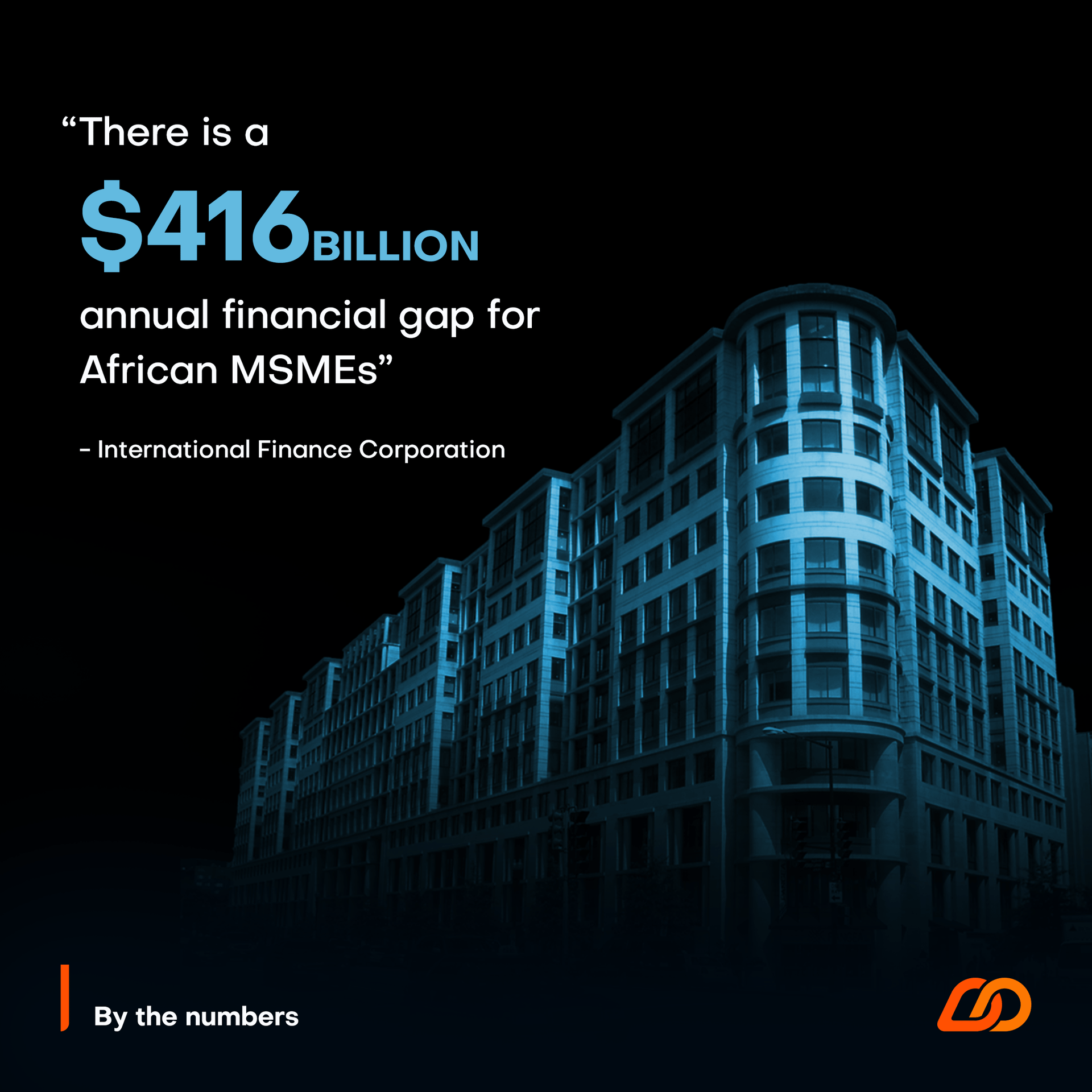
By the number
Mariblock
Why it matters: For a long time, decentralized finance (DeFi) was touted to play a part in filling the MSME funding gap, albeit with few activities.
- However, Jia’s recent fundraising is bringing life to that narrative.
- Mariblock lead editor Oluwaseun Adeyanju spoke with Jia CEO Zach Marks to learn more about the product. Watch it here
A tiny ask 🙏🏾
If you read this all the way to the end, you’re an MVP.
We’d love to hear from you.
What are your thoughts about this newsletter?
What are we doing well — and what should we improve on?
Hit the reply button, and let’s talk — even if it’s a reaction to any of the stories covered here.
I look forward to hearing from you.
That’s it for this week.
See you next week.
Cheers,
Ogechi.