

INTERVIEW: Jia CEO Zach Marks speaks about DeFi-based lending for African MSMEs

Mariblock
Topline: Access to credit facilities for African micro, small, and medium-sized enterprises (MSMEs) has been a well-documented challenge.
- The International Finance Corporation (IFC) estimates an annual funding gap of $416 billion on the continent.
- Decentralized finance (DeFi) company Jia, which raised $4.3 million in a seed round in May, is looking to take a punt at the problem by allowing emerging market MSMEs access to a global pool of capital.
Talking heads: In a recent interview with Mariblock, Jia’s CEO, Zach Marks, shared his vision of bridging the credit gap for African MSMEs.
What he said: “What led me to start Jia was the idea of providing more access to fair, flexible financing in a way that I think hasn’t been done yet.
- “The two main ways we do it at Jia is one, we use blockchain as means of representing ownership, and so we provide our borrowers with token rewards.
- “And two, we use it as a capital aggregation method, so unlocking investment opportunities to folks around the globe so they can invest in emerging markets, lending and lowering the cost of capital for these small businesses,” said Marks.
- Watch the video here.
Saudi-Based blockchain firm IR4LAB expands to Africa
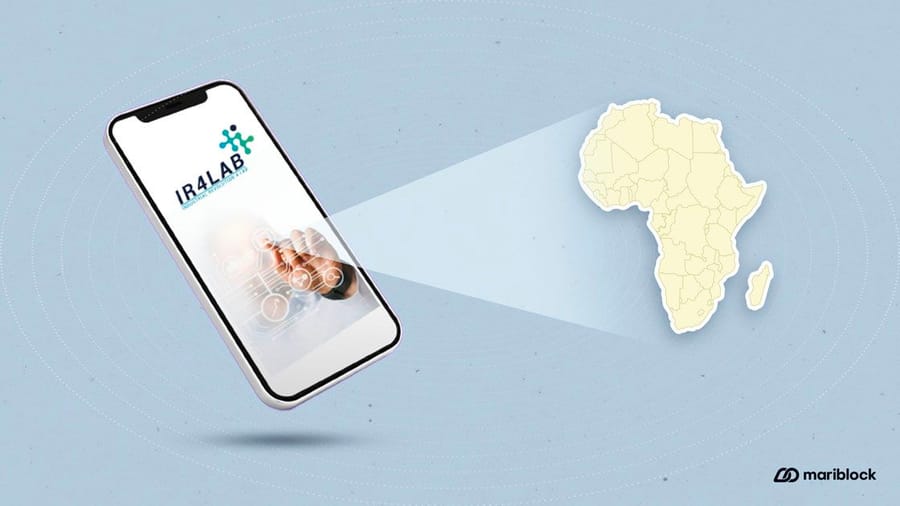
Asset: IR4LAB | Design by Ifeoluwa Awowoye for Mariblock.
Topline: IR4LAB, a Saudi Arabian company specializing in emerging technologies like blockchain and artificial intelligence, announced its plans to expand operations to Africa during the recent GITEX Africa event in Morocco. (Details)
Details: Mohammed El Kandri, CTO and co-founder of IR4LAB, explained that the company’s expansion into Africa reflects its dedication to the continent and its ambition to foster innovation in advanced technologies.
What was said: “We are happy to be expanding into the African market. We believe that Africa’s digital economy will grow, and we want to be part of this growth in innovation and digitization, but also building local capabilities right from Morocco to Africa.”
Why it matters: A report by Endeavour Nigeria dubbed “The Inflection Point: Africa’s Digital Economy is Poised to Take Off” finds that Africa’s digital economy and tech ecosystem are set to experience exponential growth periods.
- It highlights that Africa’s digital economy is set to exceed $712 billion by 2050, driven by a young population, rising smartphone adoption, and expanding internet access.
Nigerian Startup Nearpays won the fintech and blockchain prize at GITEX Africa
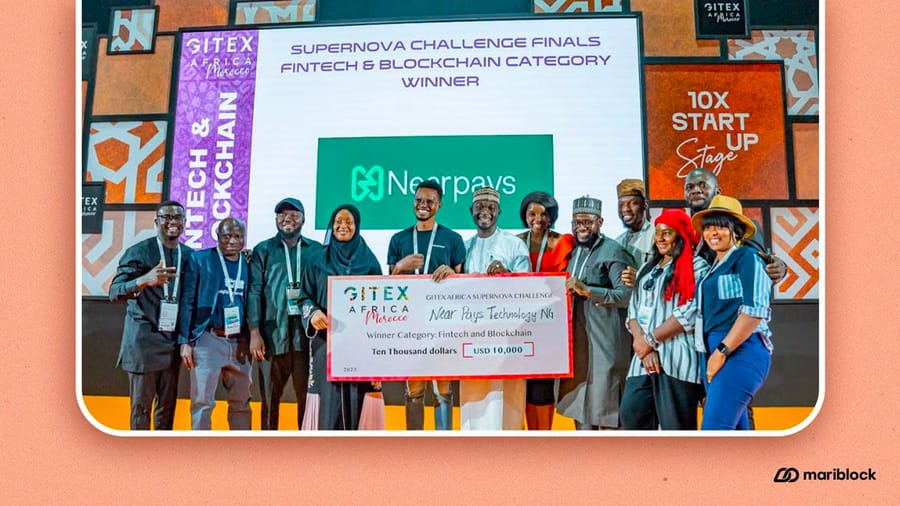
Image credit: Gitex Africa | Design by Ifeoluwa Awowoye for Mariblock.
Topline: Also, at the GITEX Africa event, Nearpays, a Nigerian fintech startup, emerged winner of the fintech and blockchain category of the supernova challenge.
Quick facts: As the winner, the startup claimed the $10,000 prize awarded to that category.
- According to Victor Daniyan, founder of Nearpays, the prize will assist the company in obtaining its payment card system license, which costs around $15,000.
Zoom out: The final shortlist for the startup pitch competition was selected from over 300 applicants from other African countries such as Cameroon, Egypt, Gambia, Ghana, Kenya, Morocco, South Africa, Tunisia, Uganda and Zambia.
Egypt explores BRICS membership, plans to ditch U.S. dollar for trade with BRICS nations
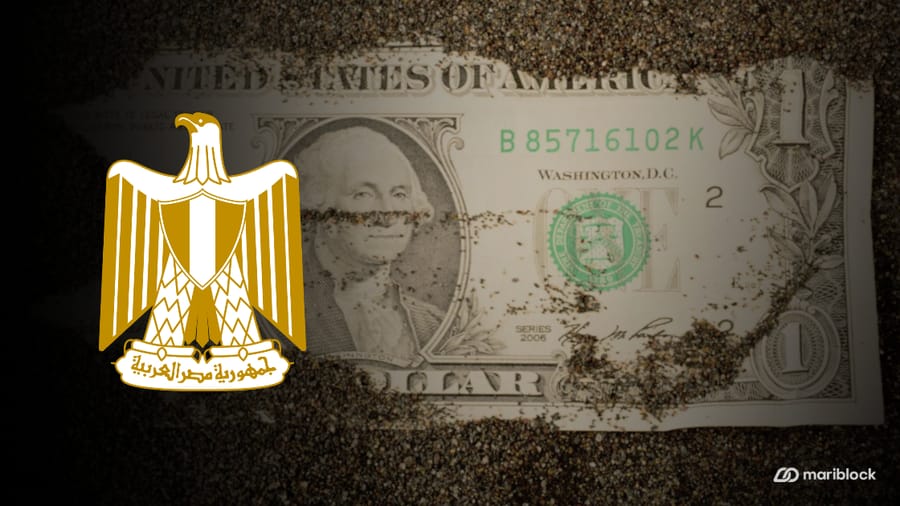
Design by Ifeoluwa Awowoye for Mariblock
Topline: Egypt has applied to join the alliance of Brazil, Russia, India, China and South Africa (BRICS), and will conduct international trade with key members in their respective local currencies, says Ali Moselhy, Egypt’s Supply Minister.
Quick facts: According to Moselhy, Egypt is currently engaged in discussions to establish credit lines with India, Russia, and China.
- The objective is to enable Egypt to utilize currencies other than the U.S. dollar to pay for imports.
ℹ️ Editor’s note: This story is part of Mariblock’s “State of Fiat” coverage. Digital assets such as bitcoin are seen as competitors to central bank money. Therefore, we consider informing our audience of the state of their local currencies worthwhile.
Be smart: BRICS is a five-member economic and intergovernmental organization, which meets annually to collaborate on improving economic conditions within member states.
- Since its inception, BRICS has strived to de-dollarize international trade, particularly among members.
- A Cambridge study claims the push for de-dollarization by these countries will help them achieve greater financial autonomy and diversify the representation of currencies in the international market.
Zoom out: Several countries seeking to join BRICS — like Saudi Arabia, United Arab Emirates, Argentina and Algeria — have embarked on various de-dollarization endeavors in support of BRICS’ stance to abandon the greenback in favor of local currencies.
- A decision to admit these countries would be made at the group’s summit in August, according to South Africa’s ambassador to BRICS, Anil Sooklal.
Catch up
🇿🇼 A Bitcoin fraud suspect in Zimbabwe who allegedly stole $457,000 worth of cryptocurrency from accounts belonging to an eye specialist, has been denied bail. (Read here)
🇹🇿 The Bank of Tanzania admits to dollar shortages but claims it is not a crisis. (Read here)
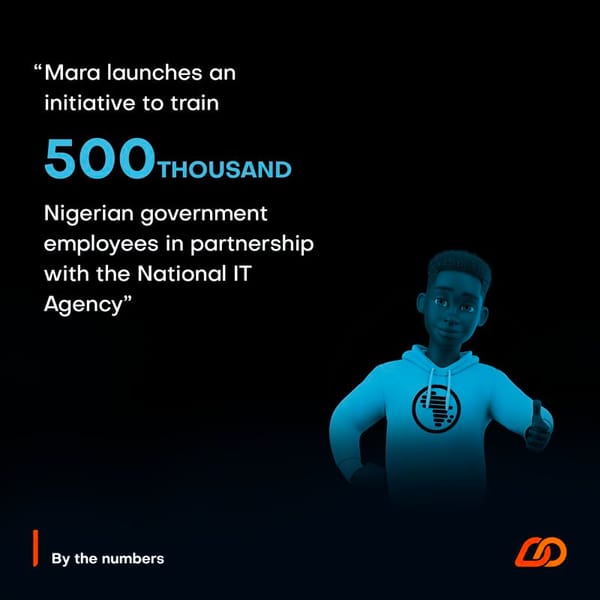
By the number
Mariblock
Read about the partnership here.
A tiny ask 🙏🏾
If you read this all the way to the end, you’re an MVP.
We’d love to hear from you.
What are your thoughts about this newsletter?
What are we doing well — and what should we improve on?
Hit the reply button, and let’s talk — even if it’s a reaction to any of the stories covered here.
I look forward to hearing from you.
That’s it for this week.
See you next week.
Cheers,
Ogechi.