


Do you want to know about the latest blockchain and digital assets development in Africa? You can have this newsletter sent to your inbox every Saturday.
Bitcoin company Fedi raises $17 million

Credit: Fedi
Topline: Fedi, a community-focused Bitcoin company, has closed $17 million in Series A funding ahead of the pre-launch of its platform for community builders later this month. Details here.
- This brings the total venture capital Fedi has raised to $21.21 million.
The problem: At its core, Fedi is looking to solve the problem of bitcoin custody.
- At present, many users have to choose between the security of self-custody and the convenience of using a centralized party such as an exchange when deciding how to keep their bitcoin.
The solution: Fedi’s solution falls somewhere between the idealness of self-custody and the convenience of trusting a centralized entity.
- Anyone can set up a community on Fedi with friends or family. Everyone’s bitcoin is stored together, and multiple parties within the community are tasked with safeguarding the asset.
- Fedi is built on the closely named open-source protocol, Fedimint, which allows community-based bitcoin custody and transactions.
What they’re saying: “Fedimint is a new way of custodying that enables users to form groups where members look out for each other’s bitcoin,” Nwosu wrote in a blog post. “It takes advantage of clever technology and the very human circles of trust that we all possess to provide a solution to custody that is more convenient than holding bitcoin on a [third] party exchange.”
Zoom out: Since Fedimint is open-source, any willing company can build products on it.
- It would be interesting to see if more African crypto companies consider building on the protocol.
- Coindesk reported that Bitcoin Ekasi, a South Africa-based Bitcoin community, is piloting Fedimint.
Nigeria set to introduce a national blockchain policy
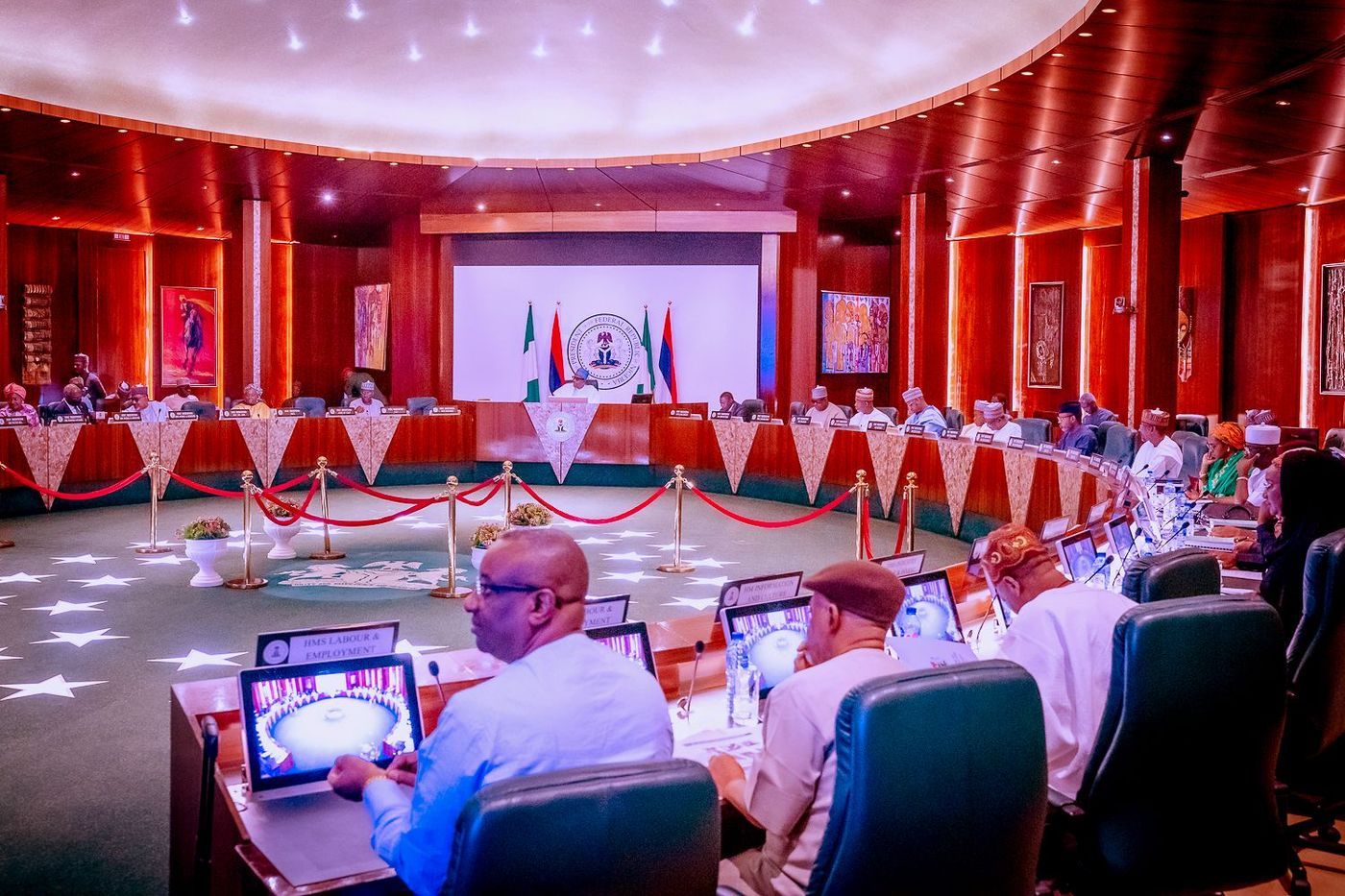
Nigeria’s National Executive Council | Credit: The State House, Nigeria
Top line: The Nigerian Federal Executive Council, on Wednesday, approved a national blockchain policy, paving the way for the official use of blockchain technology in Nigeria.
- The Minister of Communications and Digital Economy, Isa Pantami, disclosed that the new policy resulted from consultations with 56 institutions and personalities.
Of note: The Minister added that the security council has instructed regulators to work with NITDA to develop regulatory tools for all sectors.
What we do not know: Despite institutionalizing blockchain, the announcement failed to mention cryptocurrencies which the central bank restricted in 2021.
- It is, therefore, unclear if crypto will be considered a blockchain component and the restrictions lifted.
What we know: The federal and some state governments have rallied around blockchain technology. Here are just two.
- Lagos State partnered with the blockchain infrastructure platform, Gluwa, to digitize the state’s agricultural sector.
- President-Elect Bola Ahmed Tinubu also promised that his administration would encourage the use of blockchain technology if he were elected to office.
Watch out: We’re working on an in-depth report on the policy. We should have that for you sometime during this new week.
From crypto Twitter
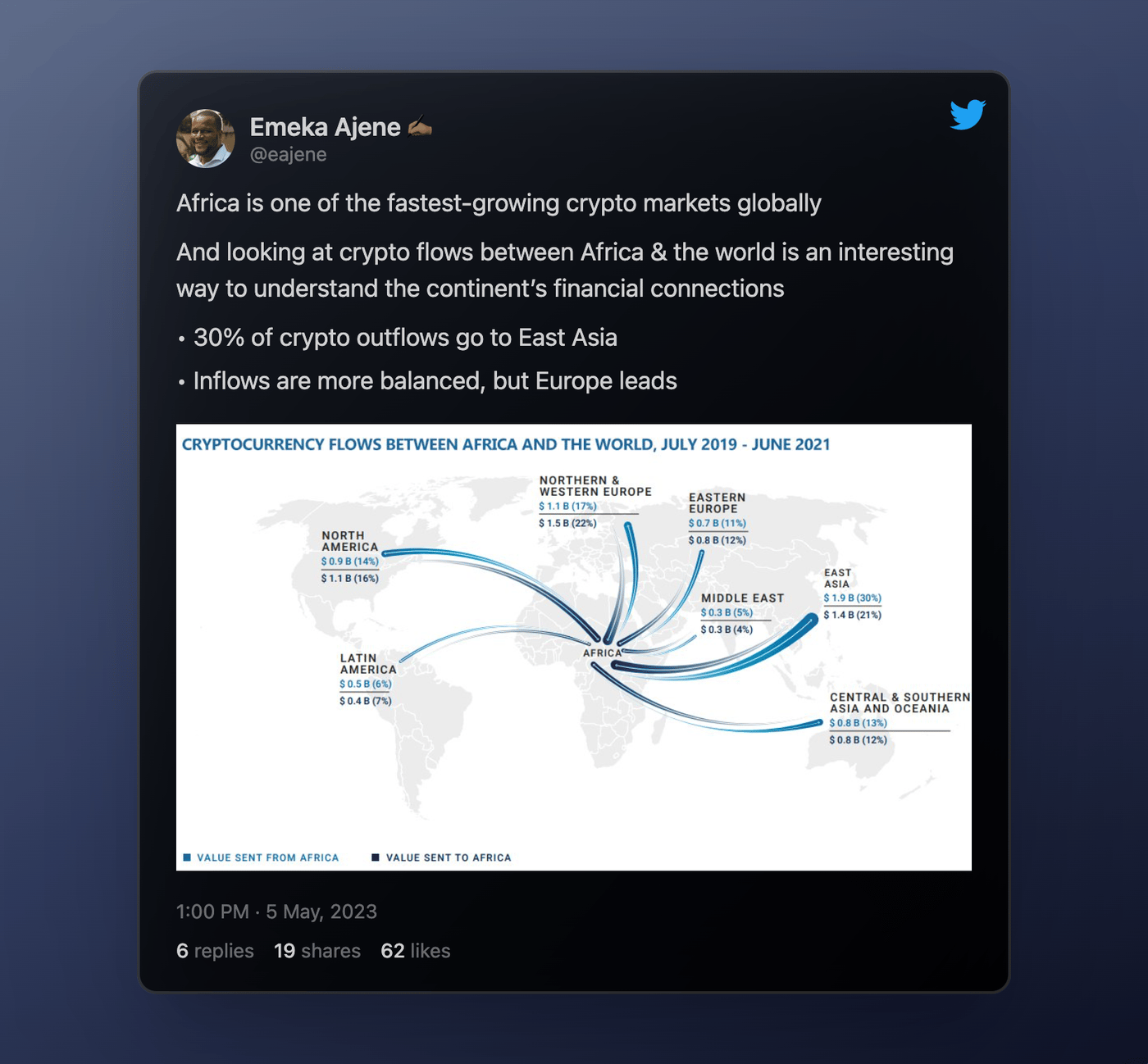
Topline: I found this tweet from Afridigest’s Emeka Ajene insightful.
- It’s striking that Africa sends more value to East Asia than anywhere else.
- East Asian countries include China, Hong Kong, Japan, Macau, Mongolia, North Korea, South Korea, and Taiwan.
- We know that Africa does a lot of business with this Asian region, particularly China. This intensifies the suspicions that African businesses are indeed using crypto to cross-border trade.
Watch out: We will be digging deeper into this at Mariblock.
Of note: The chart in the tweet is the “chart of the day” in Emeka’s newsletter for tomorrow.
Mobile money-type bitcoin service launches in Ghana
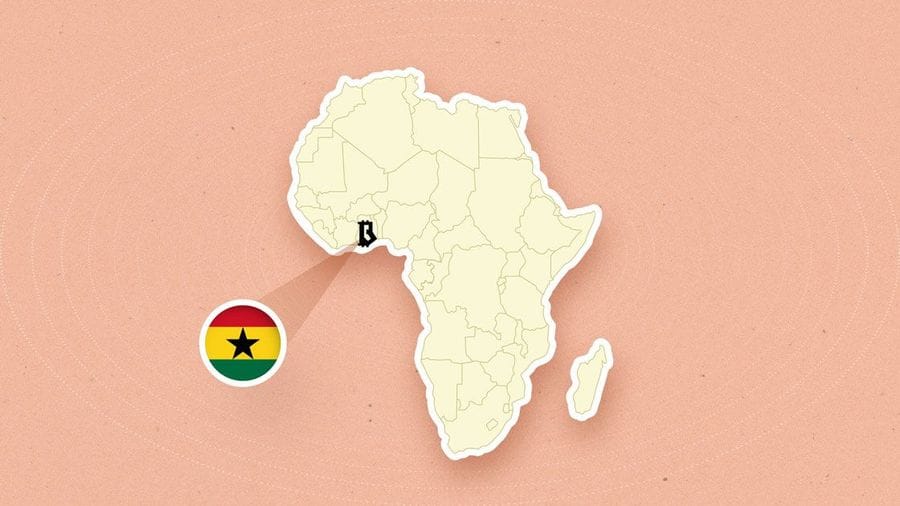
Design by Ifeoluwa Awowoye for Mariblock
Topline: Machankura, a South African Bitcoin service provider using the Unstructured Supplementary Service Data (USSD) to facilitate peer-to-peer bitcoin transactions, has launched its services in Ghana. Details here.
- The USSD code to access the service in Ghana is *920*8333# and is accessible on all mobile phones regardless of internet availability.
- Before this time, Machankura has been active in South Africa, Nigeria, Tanzania, Kenya, and three other African countries.
Why it matters: Africa has the most extensive mobile money penetration worldwide.
- Africa accounts for 70% of the world’s $1 trillion mobile money market, according to 2022 figures from GSMA.
- In the spirit of not inventing the metaphorical wheel, any meaningful attempt at banking the unbanked with crypto may need to incorporate the mobile money setup, given its sheer ease of usage on the continent.
My view: Interestingly, I know many so-called banked folks who prefer to use USSD channels to perform transactions.
Of note: Machankura runs Bitcoin and Lightning nodes on the back end that facilitate real-life transactions for a 1% transaction fee.
- Users can therefore make small-scale bitcoin transactions for everyday purchases through the service regardless of the presence of computers, smartphones or an internet connection.
It’s raining crypto taxes in Kenya, potentially

Credit: Canva
Topline: Kenya is looking to tax digital assets on all sides — crypto users and companies.
- We sent some questions to the folks at the Blockchain Association of Kenya (BAK) to make sense of the stories.
- We will be publishing the full Q&A tomorrow. In the meantime, here’s what you need to know.
Key points: Under the proposed Capital Markets Amendment Bill, 2023, crypto traders will be required to pay income and capital gains tax of 15% of the net gains realized by the traders.
- Additionally, the Value Added Tax (VAT) Regulations, 2023 seeks to impose a 16% VAT on the facilitation of online payments or exchange of digital assets, which includes cryptocurrency exchanges.
- Lastly, exchanges and decentralized finance (DeFi) platforms are subject to a Digital Service Tax (DST) of 1.5% levy on digital services.
Of note: Kenyan President William Ruto has indicated an intention to scrap off the DST and adopt a global framework on taxing multinationals by the Organization for Economic Cooperation and Development (OECD) that will be implemented in 2024.
Also: Bloomberg reported on May 4 that “Kenya’s government plans to introduce a 3% tax on digital assets for the coming budget year as other sources of funding prove expensive or inaccessible.”
Watch out: The Mariblock team plans to host a panel discussion/webinar to help crypto businesses and users in Kenya understand these complex tax terrains. We’ll be announcing the date as soon as the plans are finalized.
Nigeria’s capital markets regulator to support asset-backed tokens — but not crypto
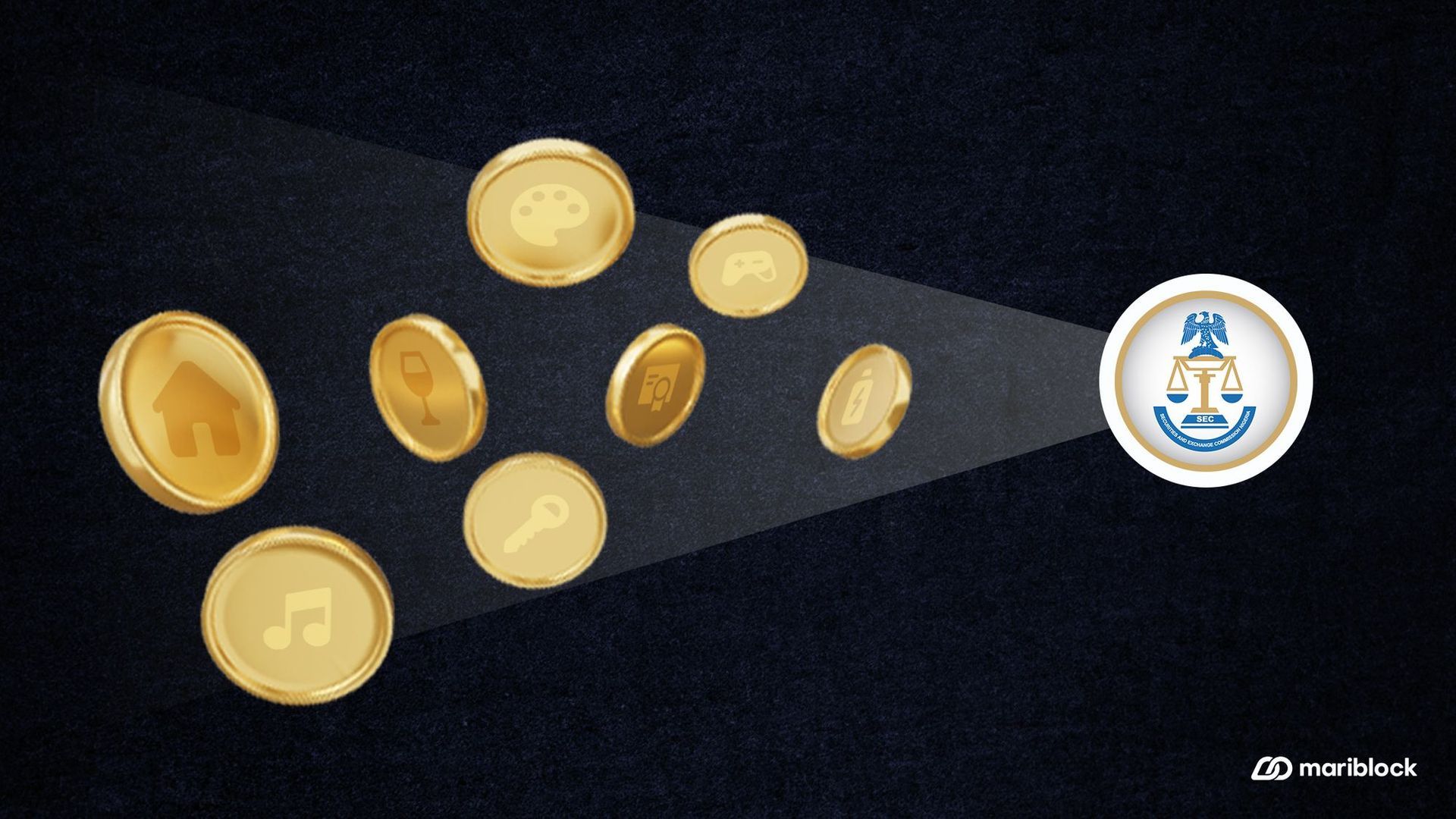
Assets: Canva | Design by Ifeoluwa Awowoye for Mariblock
Topline: The Securities and Exchange Commission (SEC), Nigeria, is open to licensing tokenized coin offerings backed by equity, debt or property — but not cryptocurrencies, according to Abdulkadir Abbas, head of securities and investment services, SEC. Details here.
- This comes days before Nigeria’s executive arm approved a national blockchain policy.
Of note: At least one company, United States-based RedSwan CRE, could qualify for the SEC’s sandbox. RedSwan, a real estate tokenization company, opened in Nigeria nearly one and a half years ago, as reported in a Mariblock Weekly newsletter.
- However, the company isn’t currently speaking with the regulator, CEO Edward Nwokedi told me in a recent interview.