

Do you want to know about the latest blockchain and digital assets development in Africa? You can have this newsletter sent to your inbox every Saturday.
World Mobile’s blockchain-based telecom goes commercial in Tanzania
Credit: World Mobile
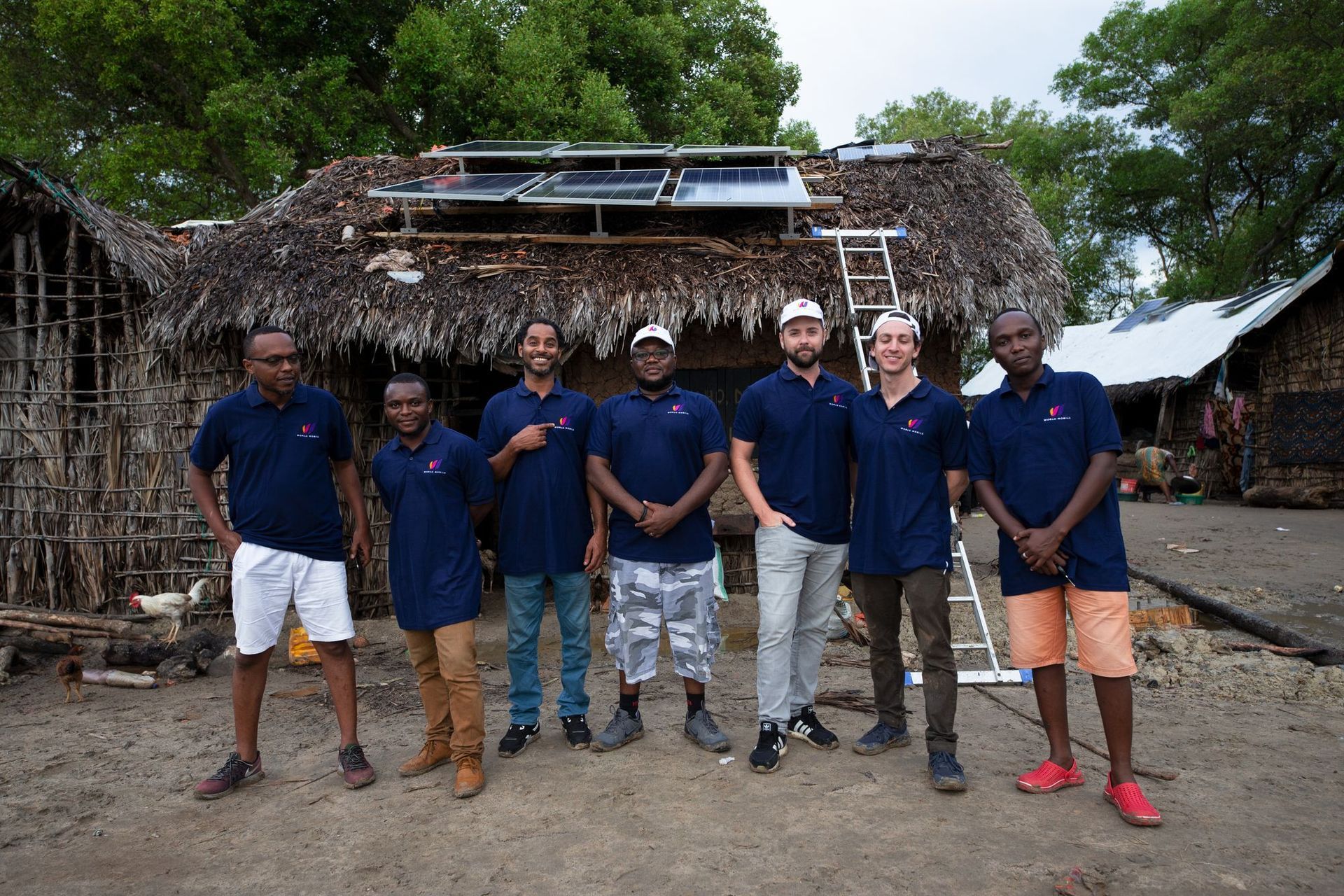
Topline: World Mobile, a blockchain-powered mobile network, recently announced the launch of its commercial network in Zanzibar, Tanzania.
- With this official debut, Zanzibaris can now enjoy mobile data at a 50% lower cost than the national average, World Mobile said. (Details)
Fast fact: World Mobile initially deployed its proof-of-concept network in Zanzibar as a subsidized test service available across the project’s network of air nodes (essentially the setup connecting the end user to World Mobile’s network).
Why it matters: According to a World Bank report, Sub-Saharan Africa has the lowest usage rate of digital technology globally, with only 22% of the population using mobile internet as of the end of 2021.
- The report also found that internet availability positively impacts jobs and welfare. For example, labor force participation and employment increased significantly in areas having three or more years of exposure to internet availability in Nigeria and Tanzania, respectively.
- The proportion of households living below extreme poverty also dropped in both countries.
Be smart: World Mobile Group is a global telecommunications operator that uses blockchain to deliver internet services to the unconnected in Tanzania, using free-space optical communications and other radio transmitters.
- World Mobile’s setup doesn’t require a license, which translates to less expensive internet access for Zanzibaris.
CAR to tokenize natural resources
Design by Ifeoluwa Awowoye for Mariblock
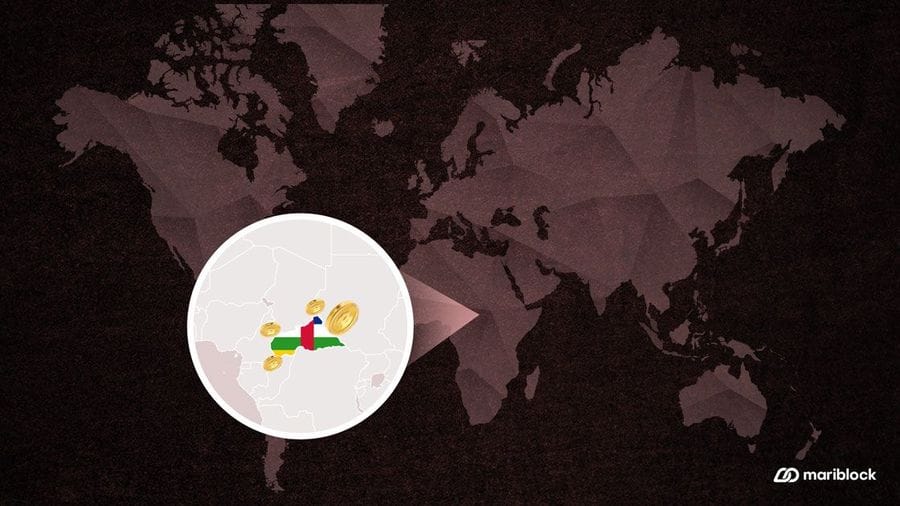
Topline: The National Assembly of the Central African Republic (CAR) recently passed a law on tokenizing its natural resources, potentially creating channels for crypto-based foreign investments in the country. (Details)
Quick facts: The new development establishes a comprehensive framework for integrating digital assets such as bitcoin and Sango (CAR’s own crypto) into the investment process.
- The bill would allow non-citizens to invest in mining, agricultural and forestry assets using cryptocurrencies.
- Investors can transfer all annual investment gains abroad after paying all necessary taxes and levies.
Be smart: Tokenization transforms ownership of a real-world asset into a digital token. The token becomes a digital representation of the asset (gold, diamond, voting rights, etc.)
- In the Central African Republic’s case, the Sango coin represents ownership of units of the country’s land, gold, uranium, iron, graphite, diamond and limestone resources.
Background: In April 2022, CAR became the second country globally to adopt bitcoin as a legal tender (the first African country — and the only one so far — to do so).
- In May, the country launched its native token, Sango, with which it hoped to tokenize access to its rich mineral resources and open it up to foreign investment.
- That plan was, however, met with judicial pushback, ruling the government’s plans “unconstitutional.”
- President Faustin-Archange Touadéra announced in January its administration was drafting a bill to regulate crypto assets.
Njoku speaks out about his Lazerpay experience
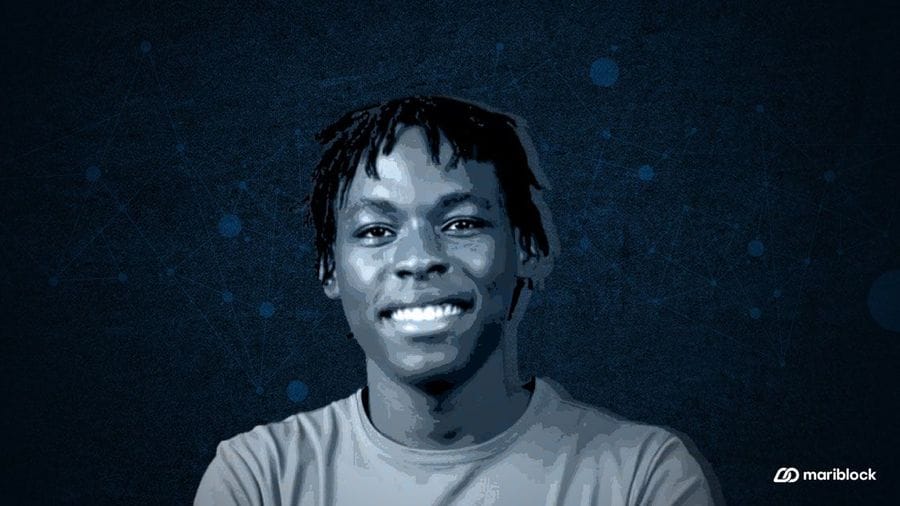
Photo credit: Lazerpay | Design credit: Ifeoluwa Awowoye
Topline: Emmanuel Njoku, CEO of the now-defunct Lazerpay, whose young age was synonymous with the company’s brand identity, spoke publicly for the first time about his experience running the crypto payment startup.
- In an interview with Gwera Kiwana and Justin Norman of the crypto@scale podcast, Njoku recounted his experience starting the company, some roadblocks he faced, mistakes he made and lessons he learned.
Mariblock writer Adeolu Adegboye watched the interview and wrote his six takeaways.
Oluwaseun’s view: I found Adeolu’s summary insightful. But the talking point I can’t stop thinking about is how the lack of regulatory clarity was a significant factor in the Lazerpay story.
- He spoke about how his now- inoperative company had talks with (unnamed) leading payment gateways in Nigeria.
- My deductions are that, with regulatory clarity, crypto payments could have, at least, made it to the test networks of payments services such as Paystack.
- That makes me all the more interested in the proposed Investment and Securities Act 2007 (Amendment) Bill.
Catch up
🌍 We hosted an enlightening Twitter space about how blockchain can solve African real estate challenges. No hype — just honest convo about what blockchain can — and can’t — do for real estate. Get the replay here
🌍 Yellow Card, one of Africa’s largest cryptocurrency exchanges, and Tether, the world’s largest stablecoin provider, have partnered to promote the adoption of stablecoins among the African youth populace. (Tether)
🇳🇬 The founders of Nigerian blockchain company Zone Network have been accepted into Endeavor, Endeavor, a global community of high-impact entrepreneurs. (Endeavor)
By the number
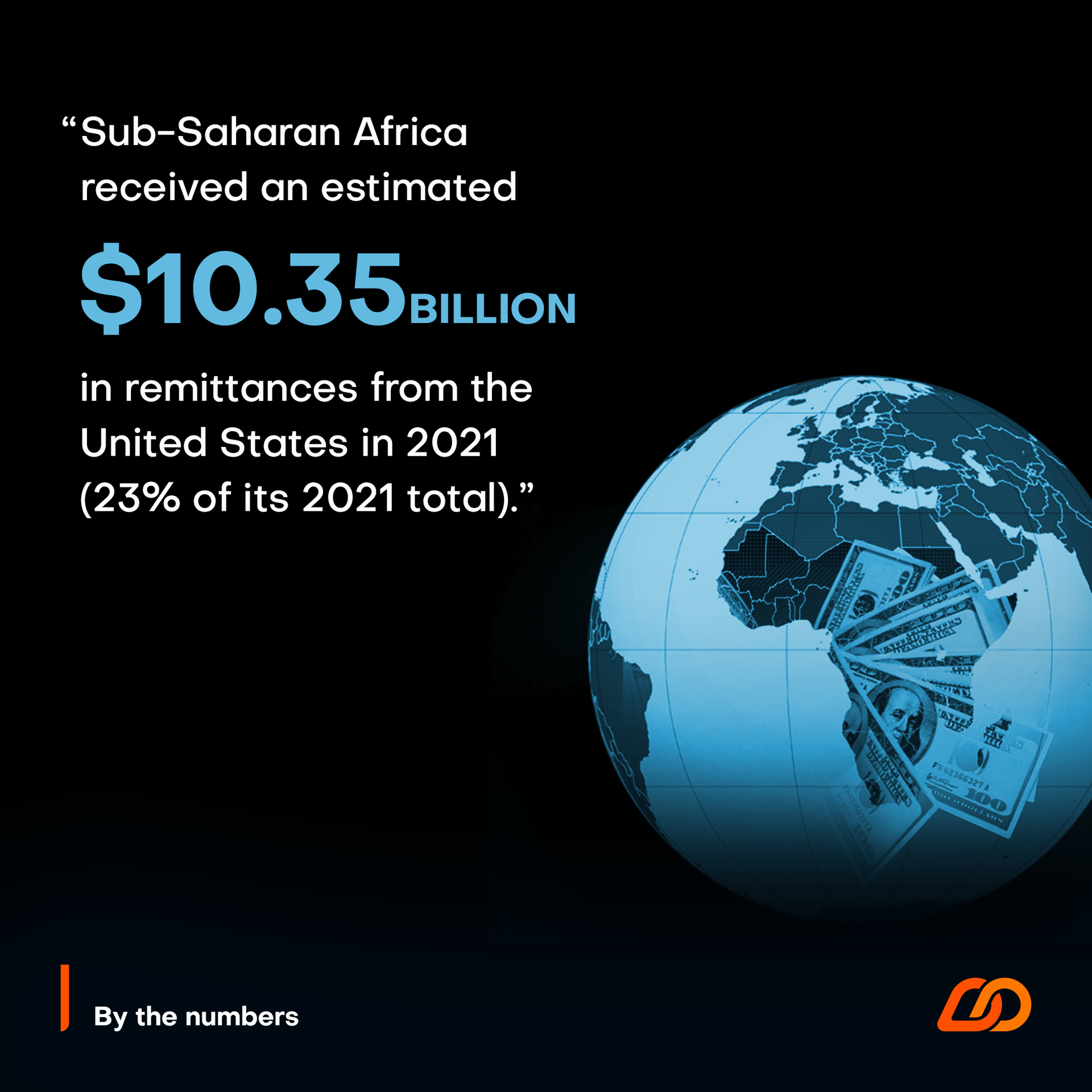
Source: World Bank
Oluwaseun’s view: Remittance is one of the crypto use cases we’re watching closely at Mariblock.
- With $10.35 billion sent to Sub-Saharan Africa in 2021, the United States remains the region’s largest national source of remittances.
- That makes the Cash App parent company Block’s interest in Africa for remittances one to watch.
The company has built what it calls a regulatory-compliant crypto-based cross-border payment infrastructure.
- Yellow Card is the first African company to integrate the solution.
- But a Block representative told Fortune Magazine that other companies would be able to build on the infrastructure.
- Yellow Card CEO Chris Maurice told me in an interview that the solution would be integrated across Block’s ecosystem of products such as Cash App. (Watch the interview here)
A tiny ask 🙏🏾
If you read this all the way to the end, you’re an MVP.
We’d love to hear from you.
What are your thoughts about this newsletter?
What are we doing well — and what should we improve on?
Hit the reply button, and let’s talk — even if it’s a reaction to any of the stories covered here.
I look forward to hearing from you.
That’s it for this week.
See you next week.
Cheers,
Ogechi.